Encephalartos princeps: The Regal Blue Cycad and a Collector’s Treasure
The world of rare and exotic plants holds few species as captivating and historically significant as the Encephalartos princeps, commonly known as the Kei River Cycad. Hailing from the Eastern Cape Province of South Africa, this magnificent plant is not merely a decorative specimen; it is a living fossil, a testament to botanical resilience, and a highly prized possession for the discerning collector.
Unique Characteristics and Aesthetic Appeal
The E. princeps is renowned for its striking aesthetic, particularly in its juvenile stage, which is often the most sought-after.
The Signature Glaucous Foliage
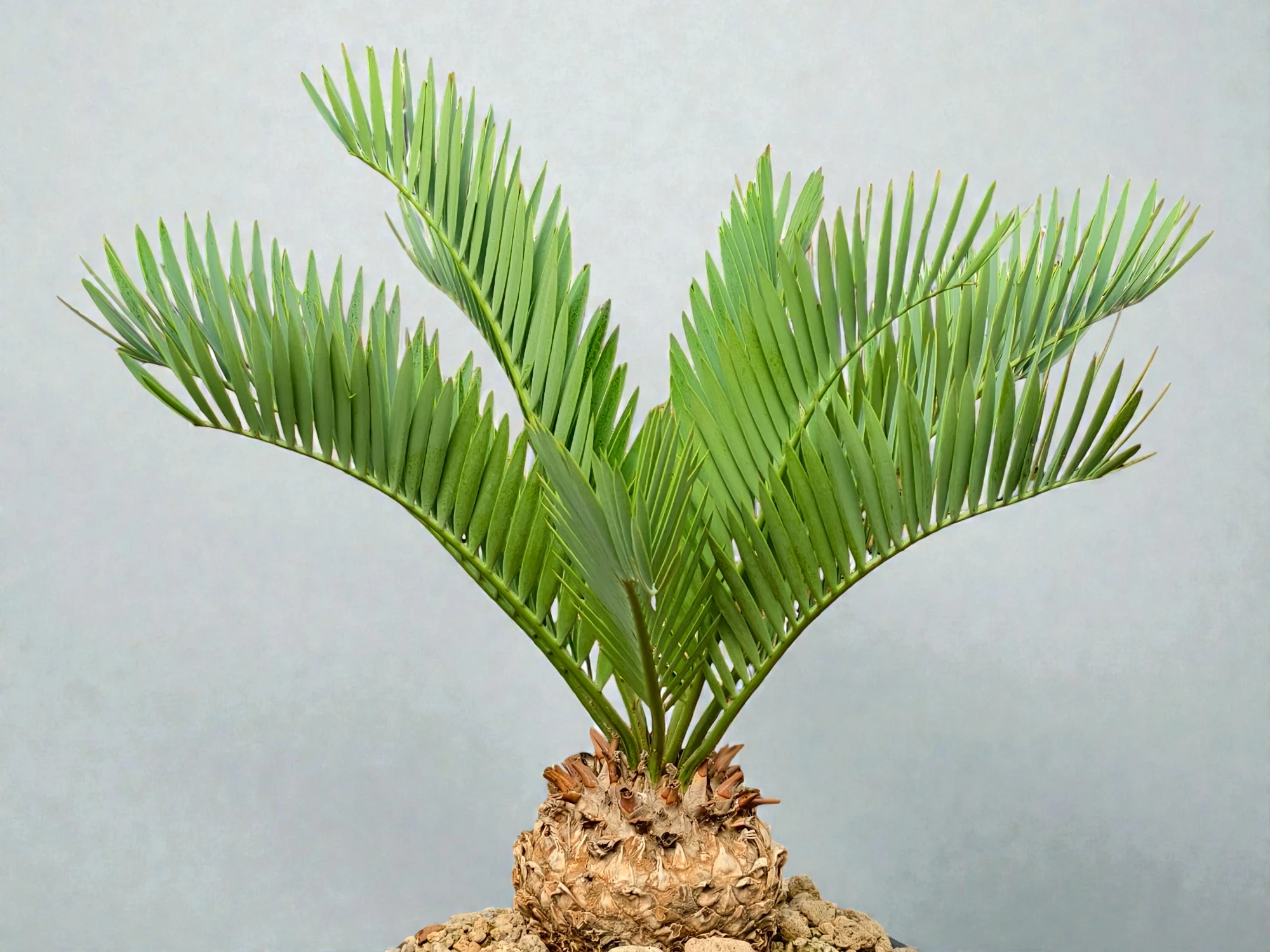
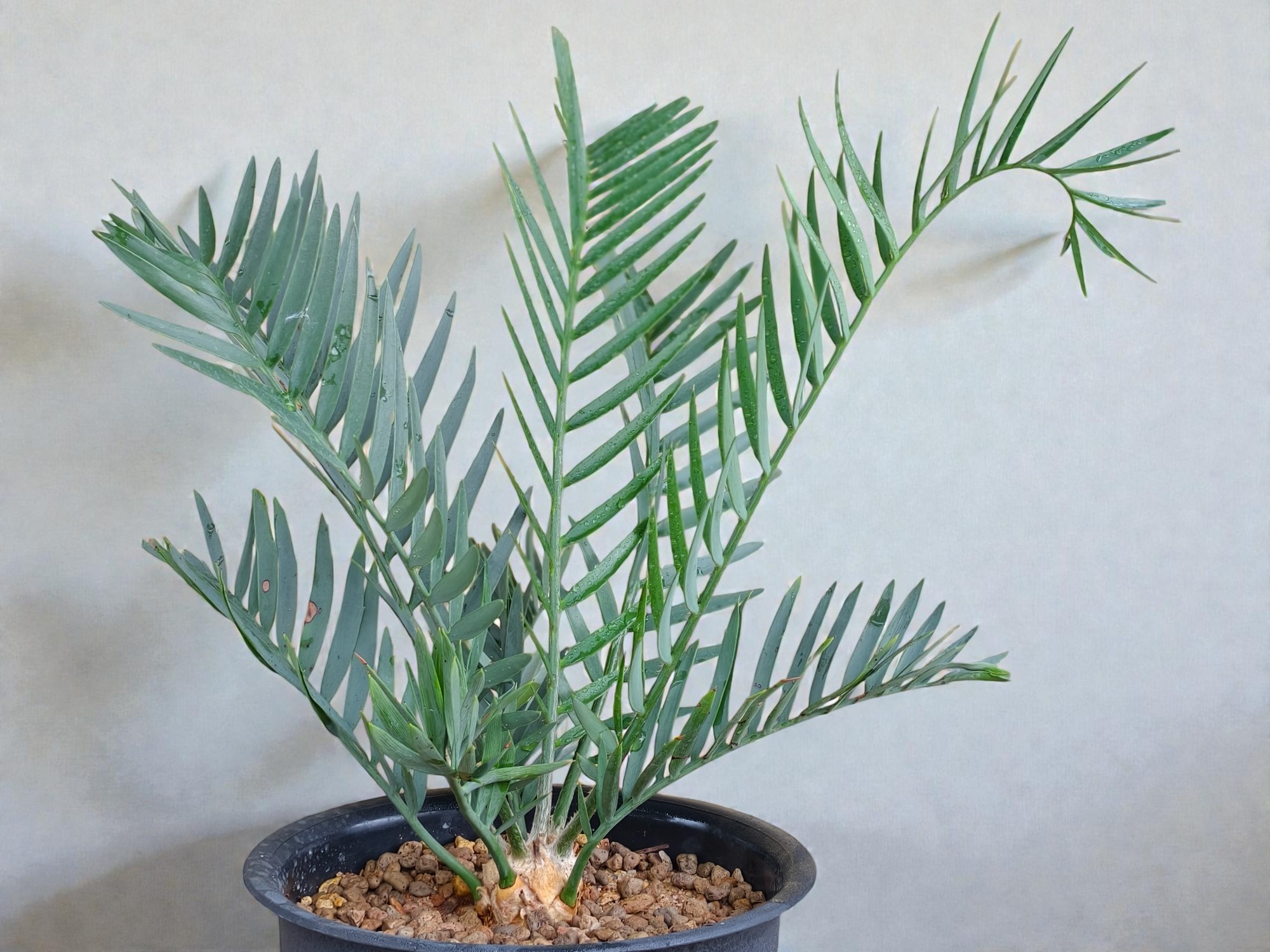
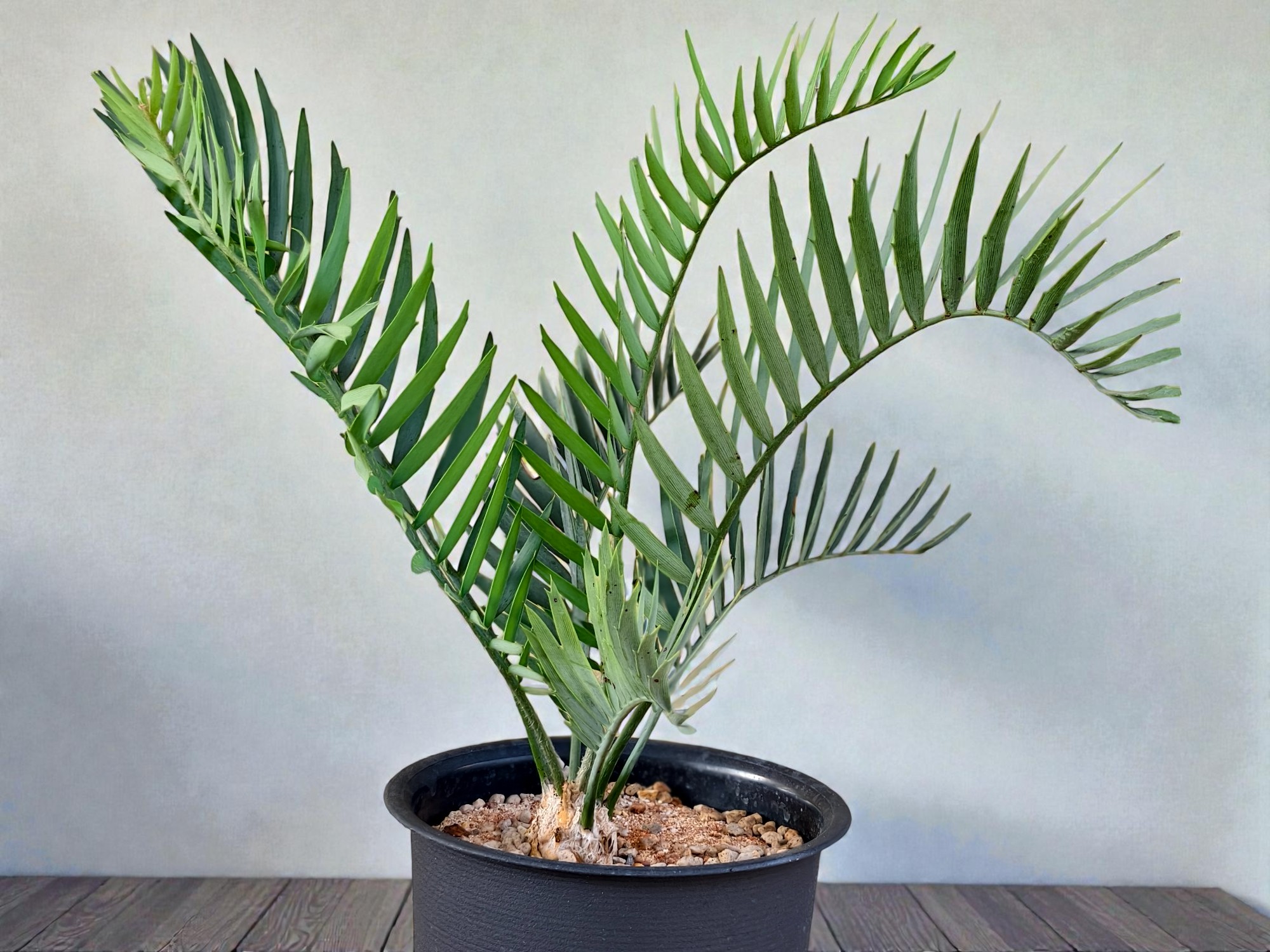
Unlike many of its green-leaved relatives, E. princeps exhibits a beautiful glaucous (blue-green or silvery) tinge to its leaves when young. This color is not due to pigment but to a fine layer of microscopic wax crystals, giving the plant a distinct, almost ethereal blue hue. As the plant matures, the leaves transition to a darker green, but the juvenile blue is what makes this species instantly recognizable and highly desirable. The leaves are stiff, keeled, and composed of numerous sharply pointed leaflets, lending the plant a distinctly prehistoric and architectural appearance.
A Symbol of Longevity
As a cycad, E. princeps is a slow-growing species, which contributes significantly to its value. This slow, deliberate growth means that every new flush of leaves is an event, and a mature specimen represents decades of patient cultivation. The plant eventually develops a medium-sized trunk (caudex) and is known to be one of the more cold-hardy Encephalartos species, tolerating freezing temperatures and drought once established.
The Value Proposition: Rarity and Prestige
The commercial value of Encephalartos princeps is intrinsically linked to its rarity and protected status.
The species is classified as Vulnerable (IUCN 3.1) and is listed under CITES Appendix I. This means that international trade in wild-collected specimens is strictly prohibited, and only legally propagated plants from registered nurseries can be sold. Owning a legally sourced E. princeps is a mark of prestige, signifying a commitment to preserving a piece of natural history. Its status as a protected species ensures that demand consistently outstrips supply, making it a sound, long-term investment for plant enthusiasts.
Cultivation and Care for the Collector
E. princeps is relatively easy to cultivate, making it an excellent choice for both seasoned collectors and dedicated beginners.
| Feature | Requirement | Benefit |
| Light | Full sun to partial shade | Maximizes the blue coloration of the leaves. |
| Watering | Moderate; drought-tolerant | Highly forgiving of occasional under-watering. |
| Soil | Well-draining, gritty mix | Essential to prevent caudex rot. |
| Temperature | Frost-hardy and heat-loving | Suitable for a wide range of climates, though protection from extreme humidity is advised 7. |
Product Description: Encephalartos princeps (Kei River Cycad) – Juvenile Specimen (ENP002)
A rare opportunity to acquire a legally propagated specimen of the highly coveted Kei River Cycad.
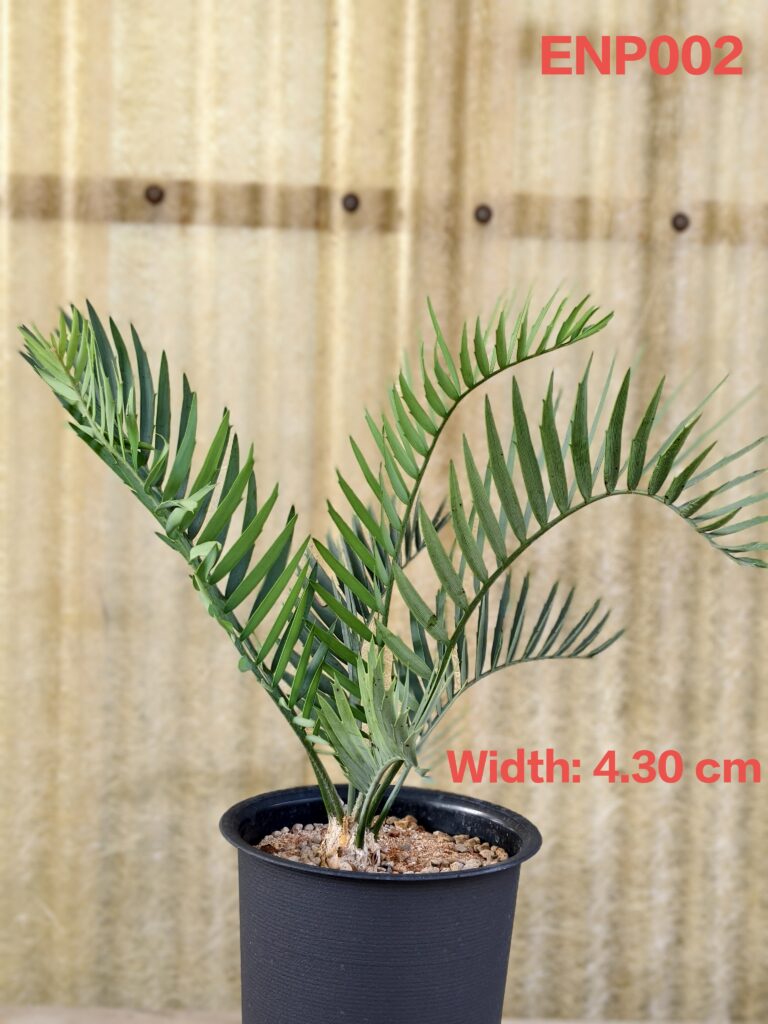
This juvenile Encephalartos princeps (Specimen ENP002) is a perfect starter plant for the serious collector. It showcases the species’ most desirable trait: the stunning, silvery-blue juvenile foliage that gives it a regal presence.
Key Specimen Details:
• Species: Encephalartos princeps (Kei River Cycad)
• Condition: Healthy, established juvenile plant.
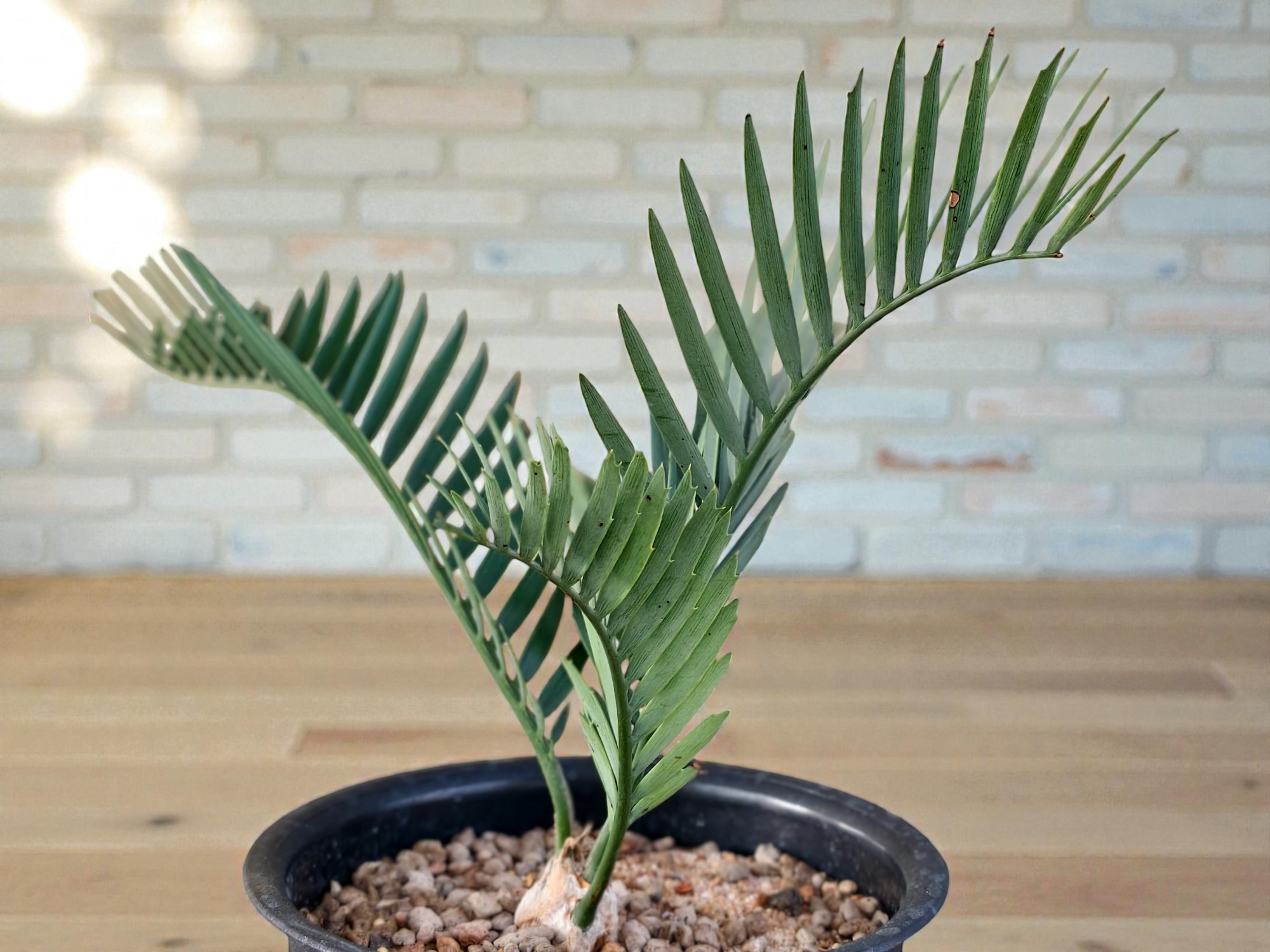
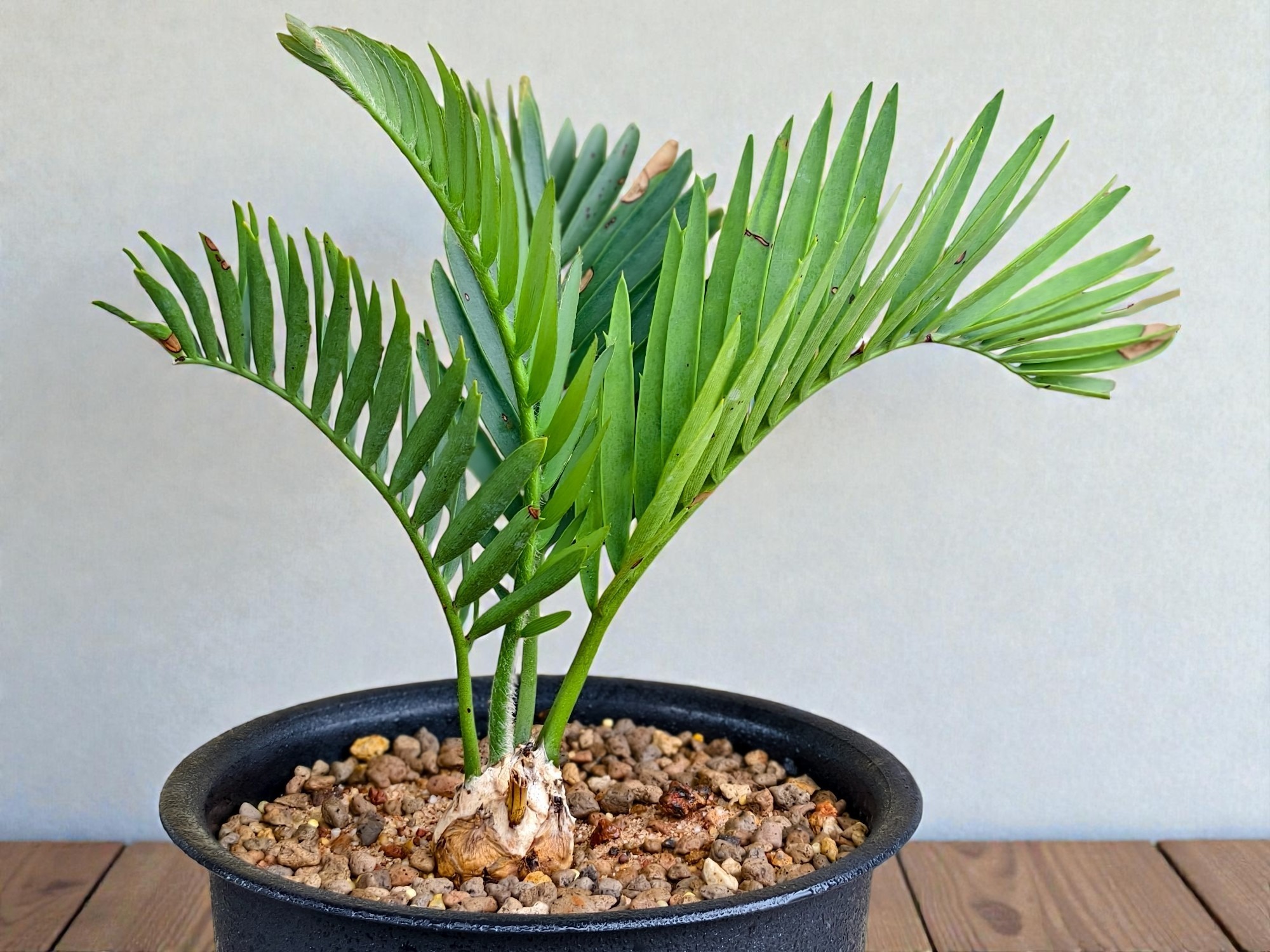
• Caudex Width: Approximately 4.30 cm (as shown in image).
• Foliage: Healthy, dark green pinnate leaves (potential for glaucous color in future flushes).
• Rarity Status: CITES Appendix I (Legally propagated).
Why This Plant is a Must-Have:
• Investment Piece: Due to its CITES Appendix I status and slow growth rate, this plant holds and appreciates in value over time.
• Architectural Beauty: The stiff, prehistoric-looking leaves provide a dramatic focal point for any collection, patio, or xeriscape garden.
• Resilience: Known for its hardiness, this cycad is drought-tolerant and can withstand cold temperatures, making it a robust and low-maintenance addition.
• The Blue Factor: The intense blue-silver color of the juvenile leaves is a rare and striking feature that will elevate your plant collection immediately.
Secure your piece of botanical history today. Limited stock available.
Talk about : Price, How to Buy?, Where to Buy?