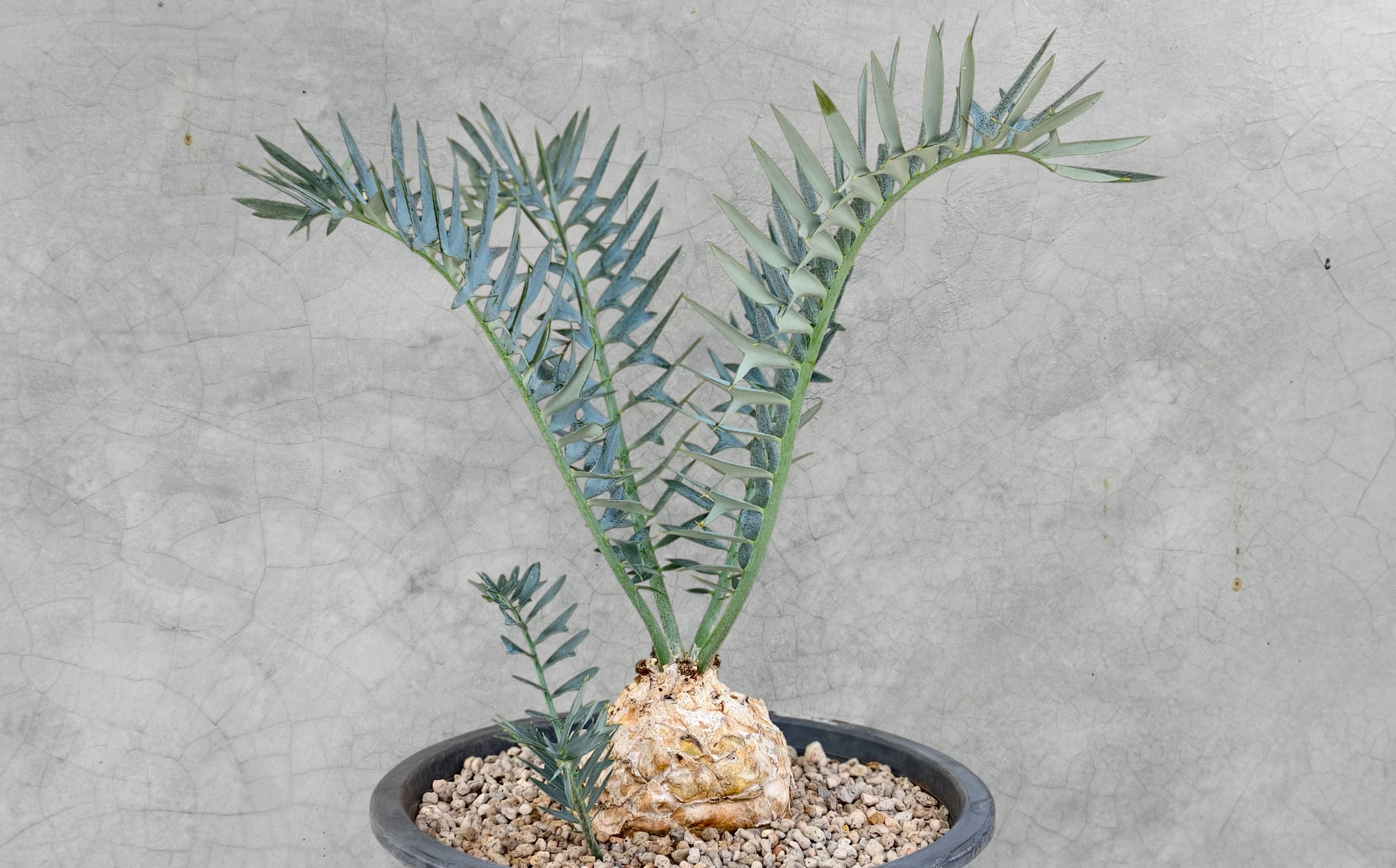

Encephalartos Hirsutus: A Comprehensive Care Guide
Introduction
The Encephalartos hirsutus, often hailed as the Venda Cycad, is a plant of unparalleled beauty and rarity. Its critically endangered status underscores the importance of meticulous care when cultivating this botanical treasure. This comprehensive guide provides detailed instructions to ensure the thriving health of your Encephalartos hirsutus, allowing enthusiasts to contribute to its preservation and enjoy its majestic presence.
1. Light and Location: Illuminating Optimal Growth
Providing the correct light exposure is paramount for the Encephalartos hirsutus. For seedlings, filtered sunlight or partial shade is recommended to prevent the delicate leaves from scorching. As the plant matures, it can gradually be acclimatized to full sun conditions, which are ideal for promoting robust growth and enhancing the distinctive bluish-green coloration of its foliage . If cultivating indoors, position the plant in a location that receives abundant bright, natural light. Regular cleaning of the leaves is also beneficial to ensure efficient photosynthesis.
2. Soil and Drainage: The Foundation of Health
Superior drainage is non-negotiable for the Encephalartos hirsutus, as it is highly susceptible to root rot caused by waterlogged conditions. The ideal soil mix should be well-draining, incorporating components such as sand, perlite, and organic matter like compost . This combination ensures proper aeration and prevents excessive moisture retention. The preferred soil pH ranges from slightly acidic to neutral. When planting in a garden, consider utilizing raised beds or slopes to naturally facilitate excellent drainage, mimicking its native habitat where it grows on quartzite cliffs .
3. Watering: A Balanced Approach
Encephalartos hirsutus is a drought-resistant species, necessitating a conservative watering regimen. The key is to maintain consistent moisture without overwatering. Allow the topsoil to dry slightly between waterings before re-applying water . Overwatering is a common pitfall and the primary cause of cycad decline. During the winter months, particularly in cooler climates, it is crucial to keep the plant relatively dry to prevent fungal issues and root rot, especially if temperatures drop significantly.
4. Temperature and Climate: Adapting to Environment
This cycad thrives in warm temperate to subtropical climates, with an ideal temperature range between 20°C and 30°C . While Encephalartos hirsutus exhibits a degree of frost tolerance (down to approximately -5°C), severe frosts can be fatal. In regions prone to cold winters or heavy frosts, it is advisable to provide protection. This can involve moving potted plants indoors or offering insulation for garden specimens if temperatures are expected to fall below 10°C .
5. Fertilization: Nurturing with Care
During its active growing season, typically from spring to summer, the Encephalartos hirsutus benefits from light fertilization. A slow-release fertilizer rich in potassium and nitrogen, or a balanced NPK formula supplemented with micronutrients, is recommended . However, caution is advised against over-fertilizing, as cycads are slow-growing and sensitive to nutrient buildup, which can lead to chemical burn or other adverse effects.
6. Pest and Disease Management: Vigilance and Prevention
Regular inspection is vital for early detection and management of pests and diseases. Common pests affecting Encephalartos hirsutus include scale insects and mealybugs . These can be treated with insecticidal soap, neem oil, or systemic insecticides. When applying treatments, ensure thorough coverage of both the upper and lower surfaces of the leaves, as well as the crown and stem. The most prevalent disease concern is root rot, almost exclusively caused by overwatering and inadequate drainage. Ensuring proper soil conditions and watering practices is the best preventative measure.
7. Propagation: Continuing the Legacy
Encephalartos hirsutus can be propagated through seeds or basal suckers . For seed propagation, soaking the seeds in water can help break dormancy. They should then be planted in a well-draining soil mix and maintained at warm temperatures (20-30°C). Germination can be a lengthy process, often taking several months to over a year. Basal suckers can be carefully removed from the parent plant and replanted in suitable, well-draining soil to establish new individuals.
8. Space Requirements: Allowing for Growth
Despite its slow growth rate, the Encephalartos hirsutus can eventually attain a considerable size. It is important to provide ample space for its development, both above ground for its expanding crown and below ground for its deep taproot system . Adequate spacing also ensures good air circulation, which is beneficial for overall plant health.
Conclusion
Cultivating Encephalartos hirsutus is a rewarding endeavor that connects enthusiasts with a truly unique and endangered species. By adhering to these detailed care guidelines—focusing on appropriate light, well-draining soil, judicious watering, suitable temperatures, balanced fertilization, and vigilant pest management—you can ensure the health and longevity of this magnificent cycad. Your dedication to its care not only enriches your collection but also plays a crucial role in the ongoing conservation efforts for this rare botanical gem.
Talk about : Price, How to Buy?, Where to Buy?