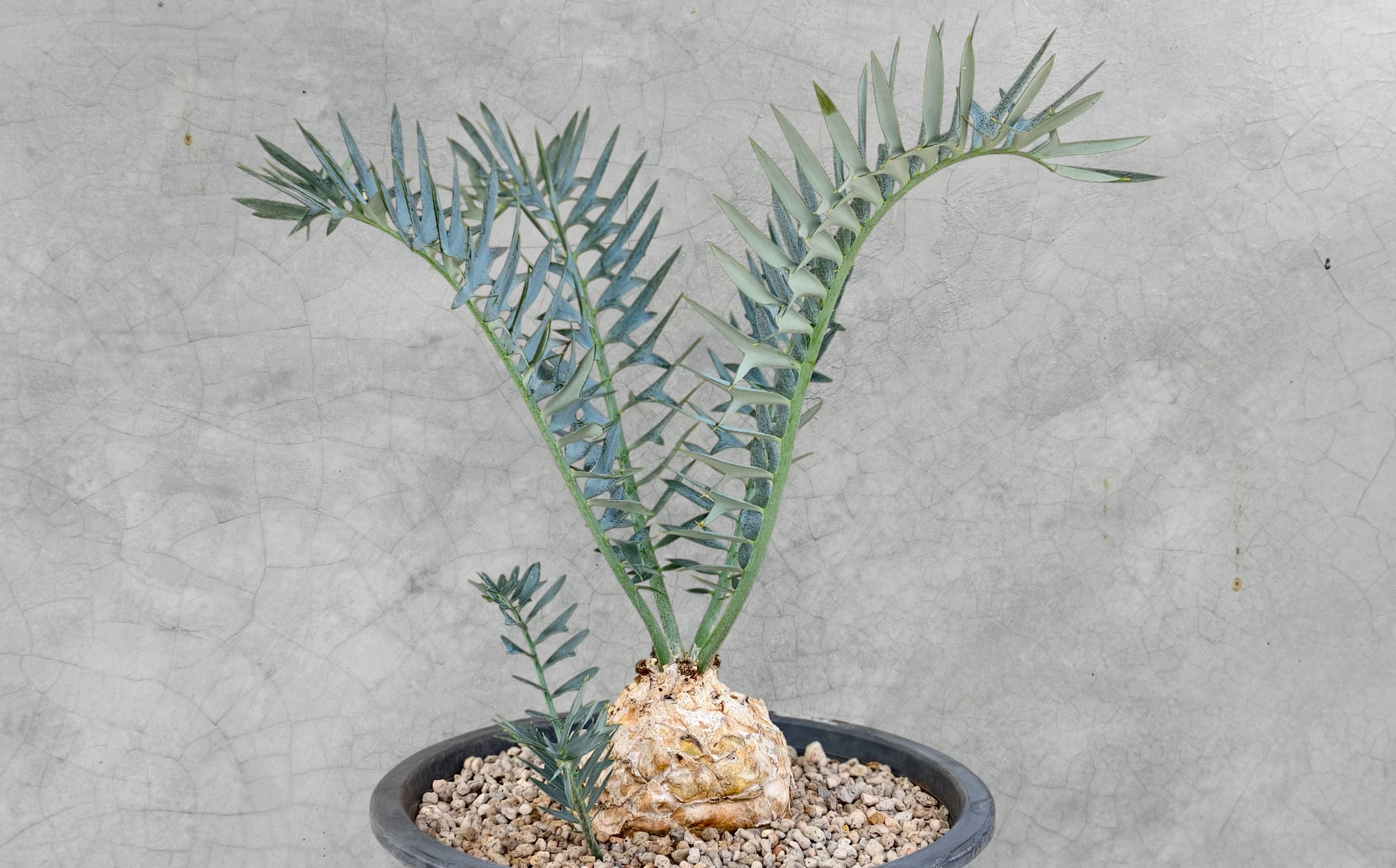

Euphorbia Mlanjeana: The Hidden Gem of Malawi and a Must-Have Caudiciform for Collectors
Euphorbia Mlanjeana is a truly captivating and distinctive succulent—one whose sculptural form and rare origin have earned it a place among the most coveted collectible plants worldwide.
In this article, we explore the unique charm of this Malawian treasure, from its botanical features to expert care tips that will help your plant thrive beautifully.
Origins: A Rare Jewel from the Heart of Malawi
Native exclusively to the highlands of Malawi—specifically around the iconic Mlanje Mountain—Euphorbia Mlanjeana grows in harsh environments among coarse granite crevices with exceptional drainage.
Its extremely limited natural habitat makes it a genuine rarity, and owning one feels like having a living fragment of a distant, untouched landscape.
Botanical Characteristics: Nature’s Living Sculpture
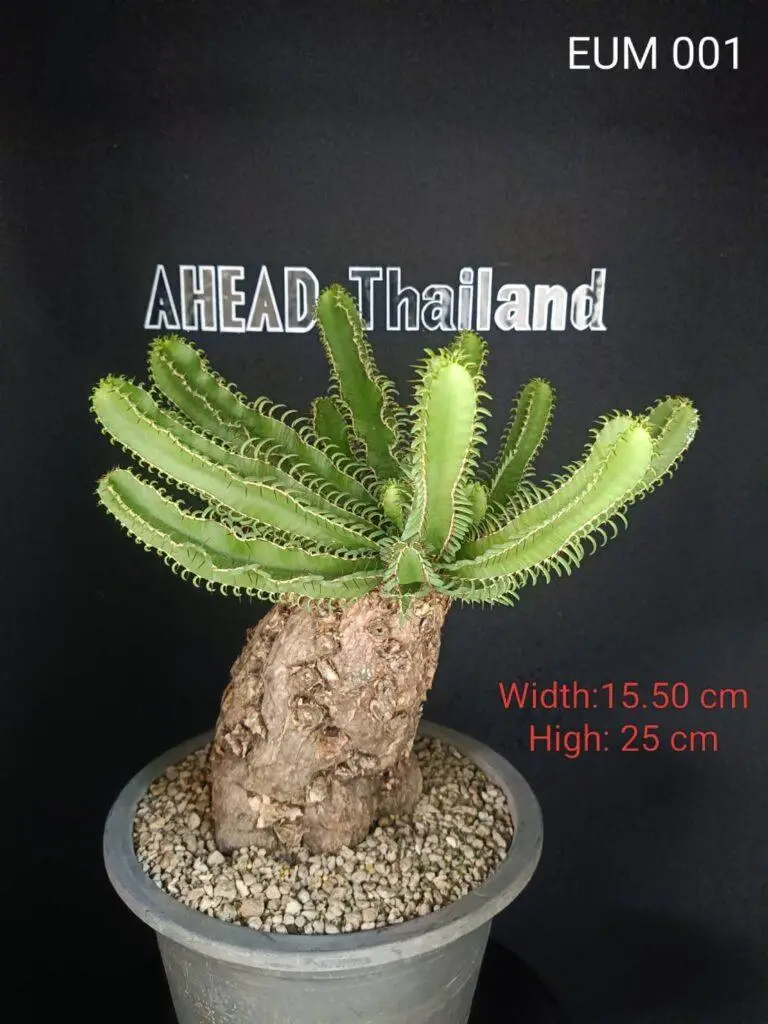
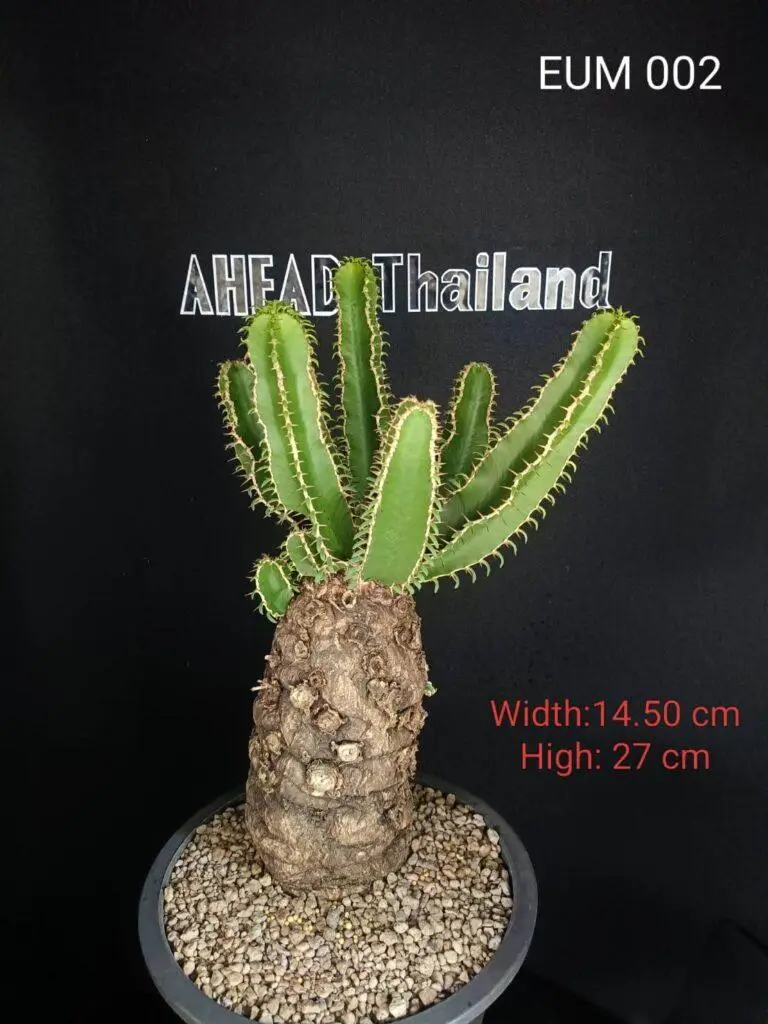
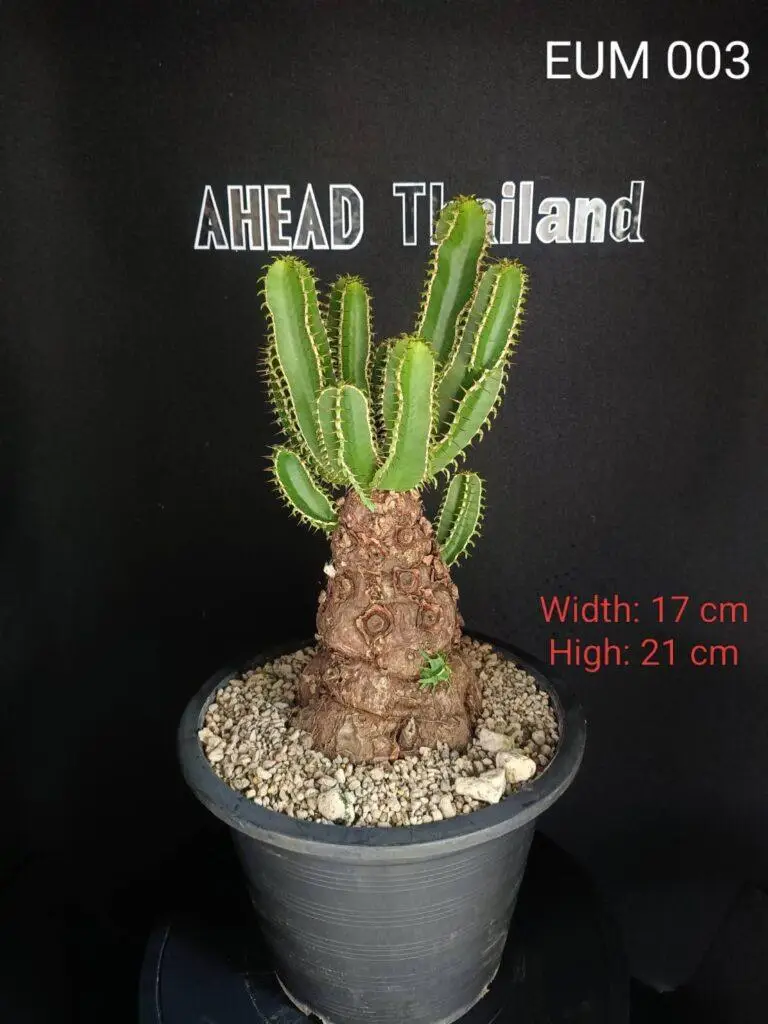
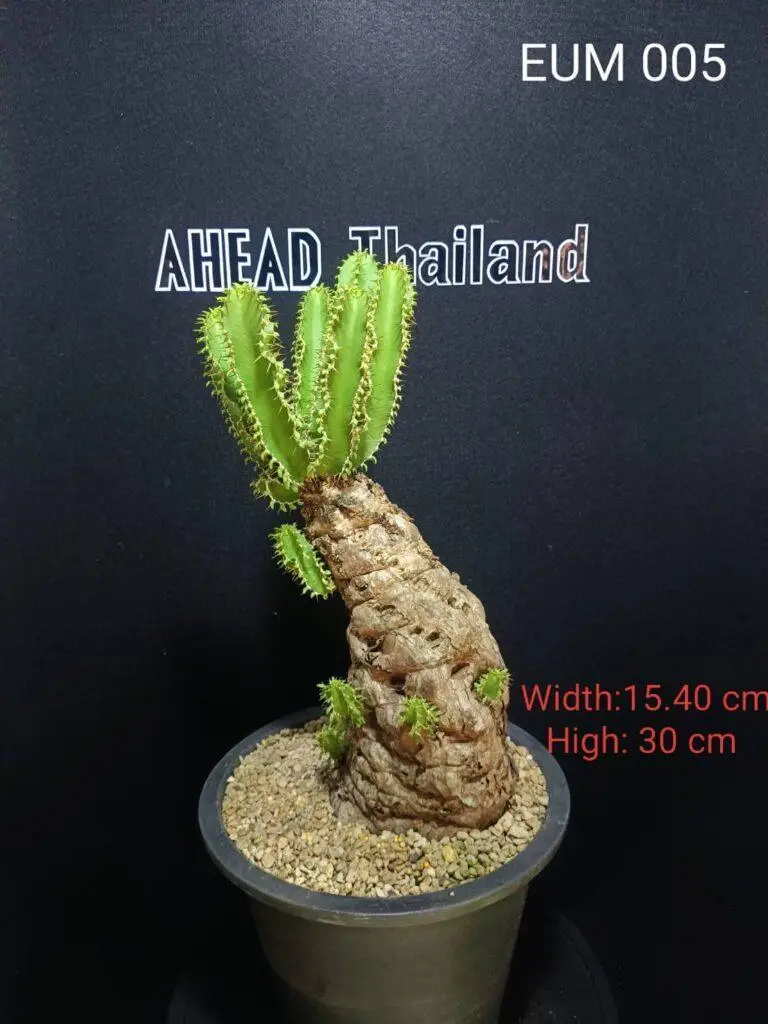
The most striking feature of E. mlanjeana is its prominent caudex, a swollen structure that stores water and nutrients. From this rounded base, upright green stems emerge, each lined with orderly reddish-brown spines—giving the plant a coral-like or architectural appearance.
When mature, it produces small clusters of yellow-green flowers, adding a delicate contrast to its rugged form.
Whether showcased in a single pot or displayed as part of a succulent garden, this species serves as a natural statement piece that elevates any plant collection.
Complete Care Guide for Euphorbia mlanjeana
Though rare, Euphorbia mlanjeana is surprisingly easy to care for once you understand its natural needs. Here are the essential care principles:
☀️ Light: Bright, Direct Sun for Optimal Growth
This species thrives under strong, direct sunlight.
Place it where it receives 6–8 hours of sun daily, such as a bright south-facing window.
Proper sunlight ensures compact growth and healthy coloration.
💧 Water: Highly Drought Tolerant—Less Is More
This is a plant that prefers to stay on the dry side.
- Water only when the soil is completely dry
- Overwatering can quickly lead to root and caudex rot, which is often fatal
This makes E. mlanjeana ideal for collectors who prefer low-maintenance species.
🌱 Soil: Fast-Draining and Airy
To mimic its rocky natural environment, use a very porous mix such as:
- Cactus soil blended with
- Pumice, lava rock, or perlite
A high ratio of these materials prevents water retention and protects the caudex from rot.
🪴 Fertilizer: Minimal Feeding During Active Season
This species has modest nutritional needs.
- Feed with a diluted cactus fertilizer every 4–6 weeks
- Apply only during the summer growing season
- Avoid fertilizing in winter when the plant is dormant
🌡️ Temperature: Warm Conditions Preferred
E. mlanjeana favors warm climates and does not tolerate frost.
If you live in a cooler region, bring the plant indoors or into a greenhouse during cold months to avoid cold-related damage.
Why Euphorbia Mlanjeana Is a Collector’s Dream
✓ Rare and Hard to Find
Its limited natural distribution makes it a prized possession among plant enthusiasts.
✓ Striking, Artistic Form
Its coral-like architecture gives it the presence of a living sculpture.
✓ Easy to Care For
A perfect choice for collectors who want something unique without demanding maintenance.
Important Warning: Toxic Sap
Like all Euphorbia species, E. mlanjeana contains toxic latex sap.
- Can irritate skin upon contact
- Dangerous if ingested
- Keep away from children and pets
- Wear gloves when pruning or handling
Safety is essential when caring for this plant.
Conclusion
Euphorbia mlanjeana is more than just a succulent—it’s a natural masterpiece born from the rugged landscapes of Malawi. Its rare origins, distinct form, and resilient nature make it an exceptional addition to any serious plant collection.
Adding this species to your garden not only increases its aesthetic and collectible value but also brings a touch of exotic wilderness right into your home.