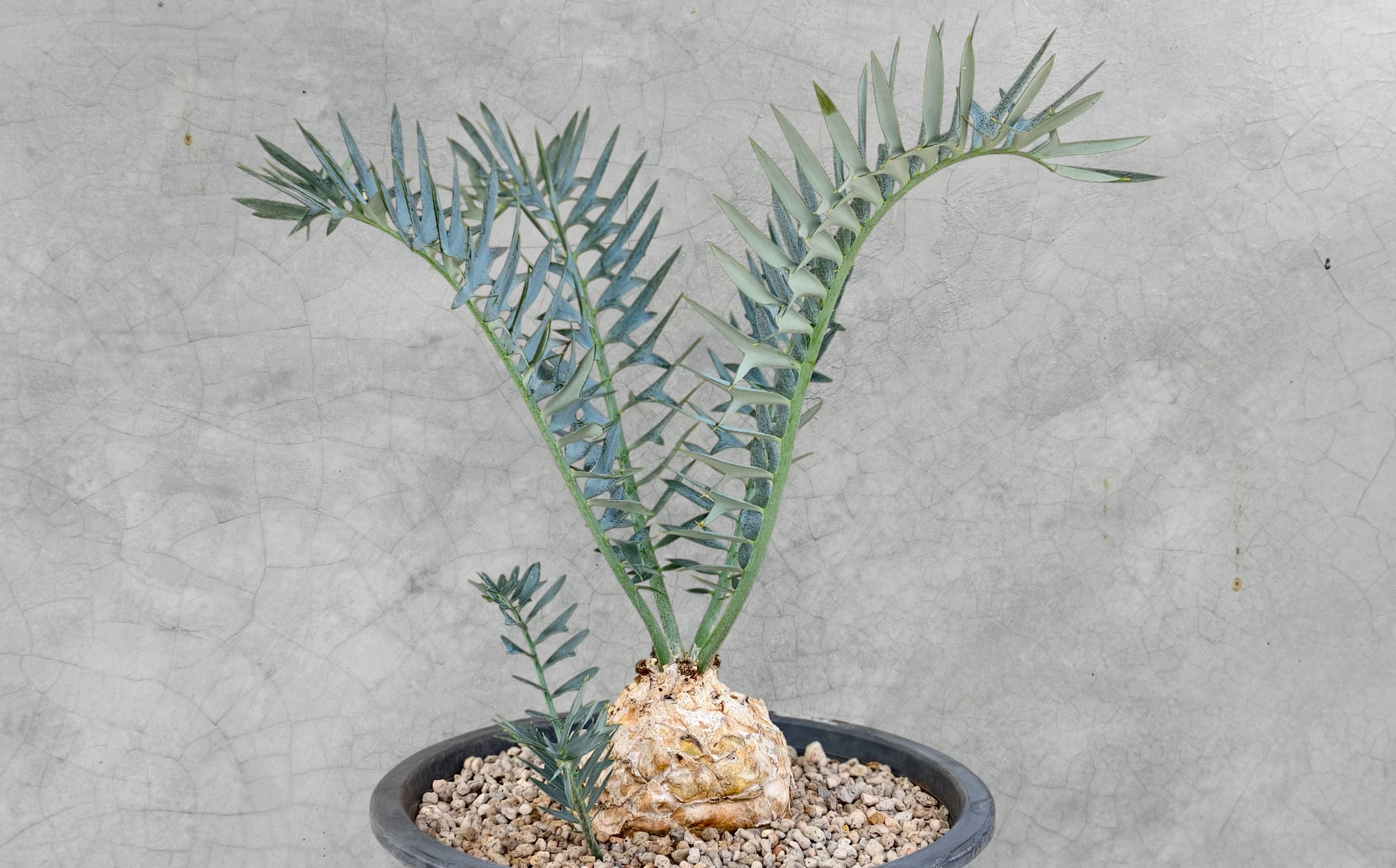
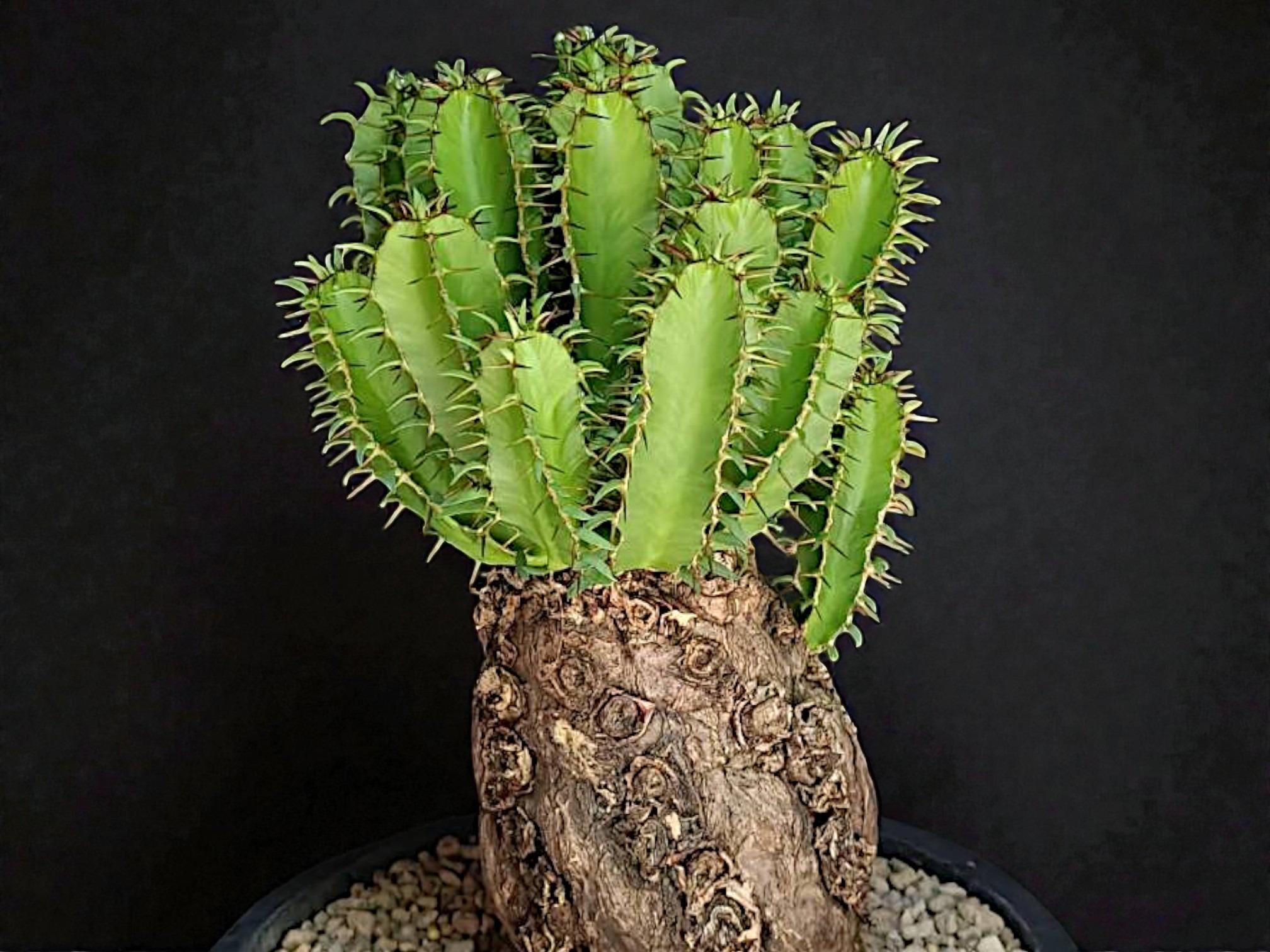
Euphorbia mlanjeana Care Guide: A Sculptural Succulent Masterpiece from Malawi
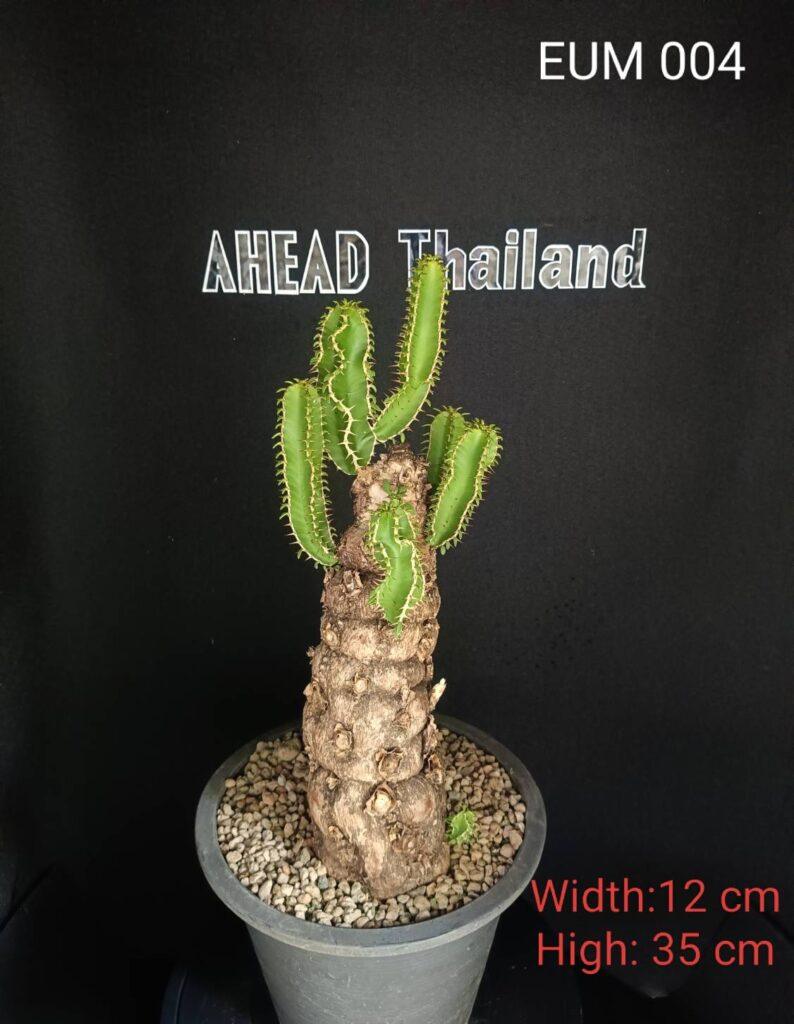
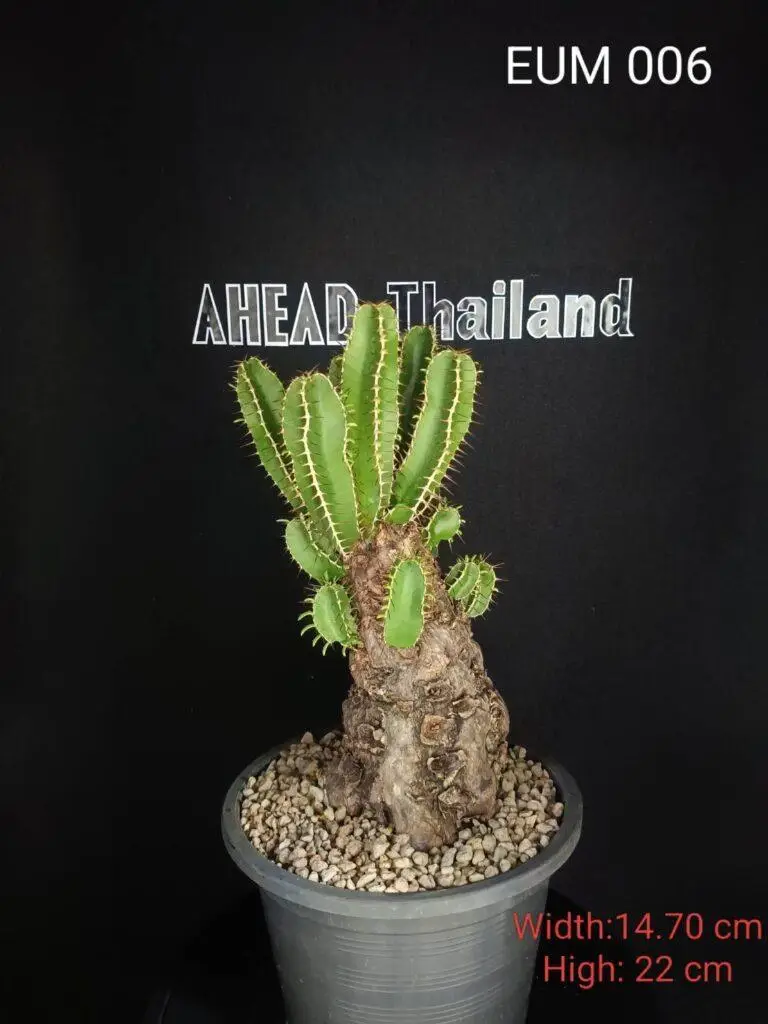
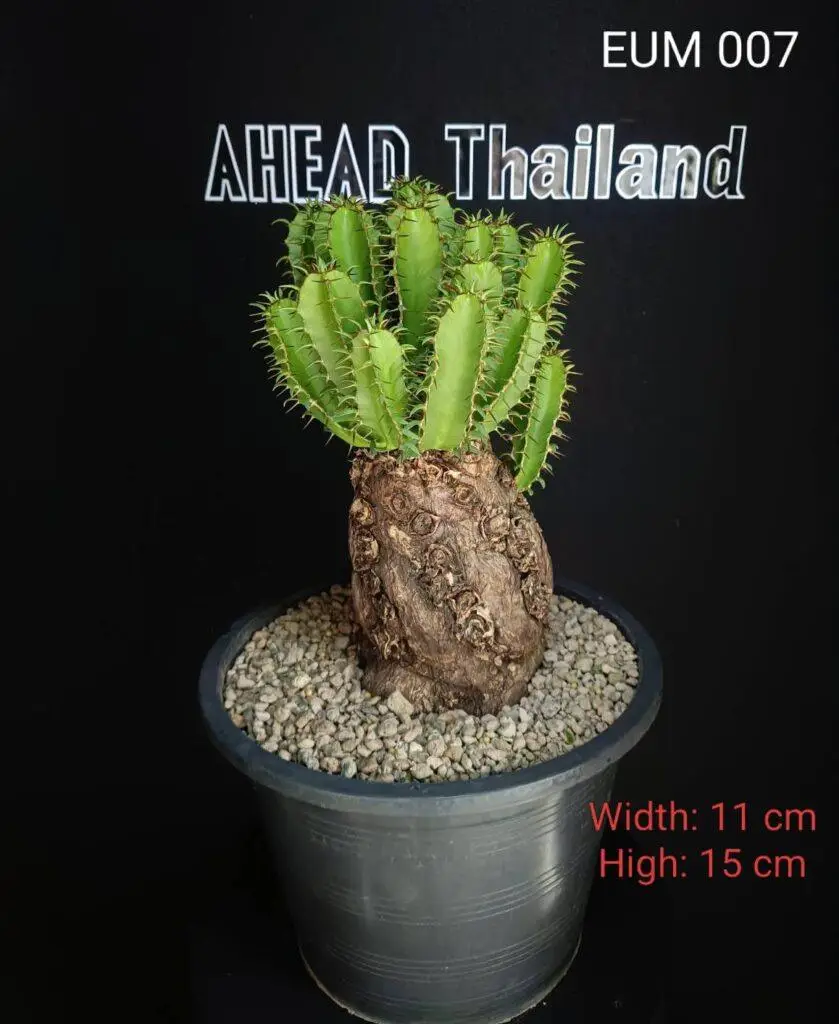
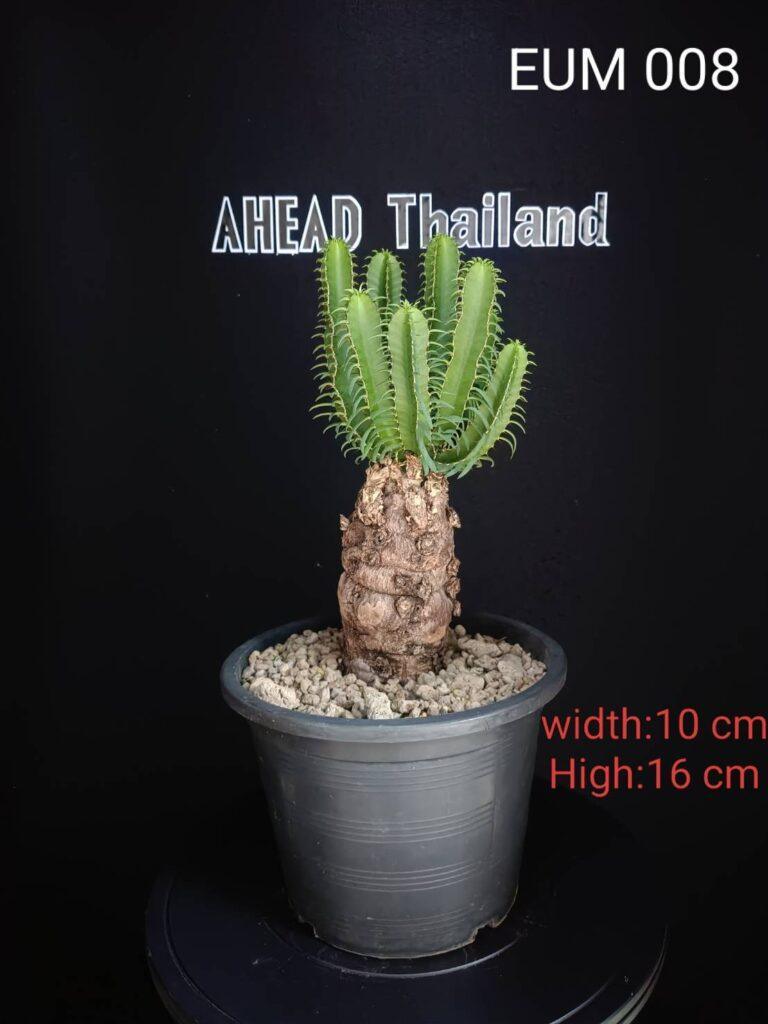
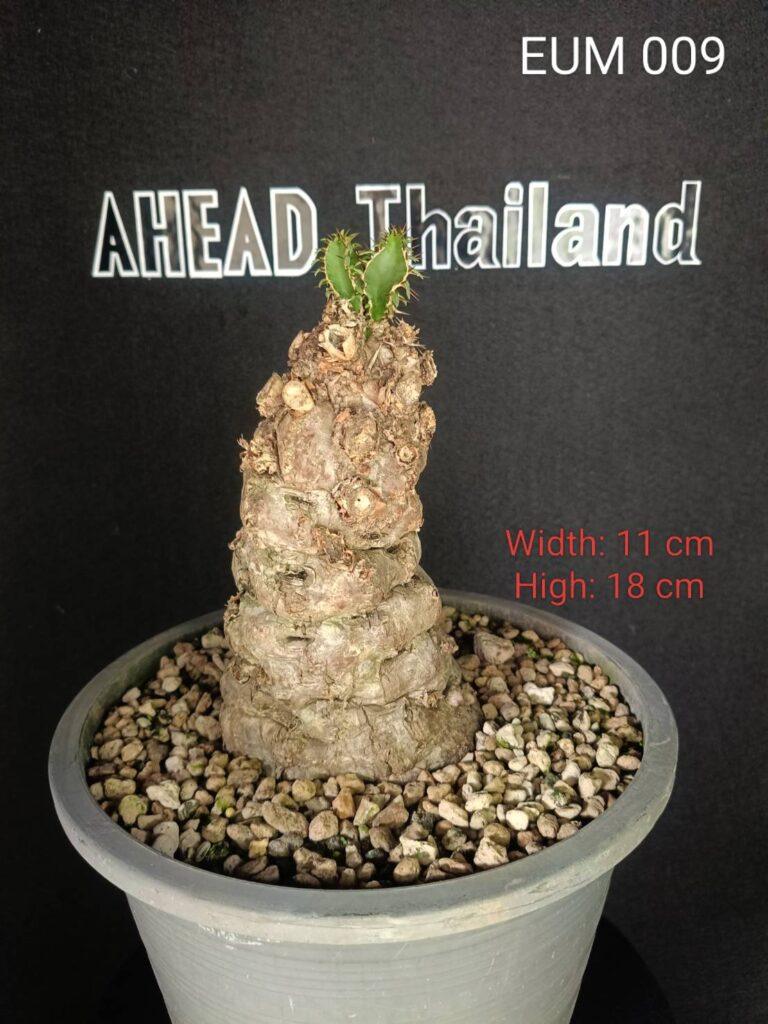
Euphorbia mlanjeana is a rare and visually striking succulent native to the rugged slopes of Mlanje Mountain in Malawi. Known for its coral-like branching structure and exceptional drought tolerance, this species has become a prized collectible for enthusiasts who appreciate architectural plants.
This guide provides essential care instructions to help your E. mlanjeana grow strong, healthy, and beautifully sculpted.
1. The Most Important Rule: Toxicity Warning
Like all members of the Euphorbia family, E. mlanjeana contains a milky white latex sap that is highly toxic.
⚠️ Toxicity Details
- The sap can cause severe skin and eye irritation.
- It is dangerous if ingested by humans or animals.
Safety Recommendations
- Always wear gloves and protective eyewear when pruning or handling the plant.
- Keep the plant out of reach of children and pets.
- If the sap touches skin or eyes, rinse immediately with clean water.
2. Key Growing Requirements
2.1 Light Requirements
This species thrives in bright, direct sunlight, which helps maintain compact growth and strong coloration.
- Ideal light: Full sun
- Minimum requirement: 4–6 hours of direct sunlight per day
- Indoor placement: South- or west-facing windows
Insufficient light leads to leggy, elongated stems.
2.2 Watering
E. mlanjeana is extremely drought tolerant, and overwatering is the most common cause of plant loss.
Watering Guidelines
- Water only when the soil is completely dry.
- Summer (growing season): Water every 10–14 days or when the pot dries out.
- Winter (dormant season): Reduce watering dramatically—once a month or only when stems begin to slightly wrinkle.
Overwatering Risk
Overwatering leads to root rot, often fatal. Always err on the dry side.
2.3 Soil and Growing Medium
To mimic its rocky, well-drained native habitat, use a soil mix that dries quickly.
Recommended Mix
- Cactus or succulent soil
- 50–70% drainage-boosting materials such as:
- Pumice
- Perlite
- Coarse gravel
Good drainage is essential to prevent moisture buildup and caudex rot.
2.4 Temperature
This species prefers a warm, arid climate.
- Optimal temperature: 20°C – 35°C
- Minimum safe temperature: 10°C (50°F)
- Cold protection: Bring indoors when temperatures approach the minimum threshold
Exposure to cold or frost can cause severe tissue damage.
3. Fertilizing & General Maintenance
3.1 Fertilization
Because the plant grows slowly, its nutrient needs are minimal.
- When: Only during the active growing season (spring through early autumn)
- Type: Diluted liquid cactus fertilizer (¼ strength)
- Frequency: Every 4–6 weeks
Alternatively, repotting every 1–2 years provides fresh nutrients.
3.2 Repotting
Repot when roots become crowded or every 2–3 years.
- Best done in early spring
- Choose a pot slightly larger than the previous one
- Ensure the pot has large drainage holes
4. Common Problems & Solutions
| Problem | Cause | Symptoms | Solution |
|---|---|---|---|
| Root Rot | Overwatering or poor drainage | Mushy, translucent, brown/black stems | Remove all rotten tissue, allow to dry 2–3 days, and repot in dry, fast-draining soil |
| Etiolation (Stretching) | Insufficient light | Long, thin, weak stems | Move to a brighter location with direct sun |
| Mealybugs | Pest infestation | White cotton-like clusters in crevices | Remove with alcohol swab or use targeted insecticide |
5. Euphorbia mlanjeana Care Summary
| Factor | Requirement | Notes |
|---|---|---|
| Light | Full sun | Low light causes stretching |
| Water | Very minimal | Water only when soil is fully dry |
| Soil | Fast-draining mix | High pumice/perlite content |
| Temperature | Warm (≥10°C) | Protect from frost |
| Fertilizer | Light feeding | Only during growing season |
| Safety | Toxic latex sap | Wear gloves when handling |
Conclusion
Elegant, sculptural, and remarkably resilient, Euphorbia mlanjeana is not just a plant—it’s a living artwork shaped by the harsh landscapes of Malawi. With the right care, this rare succulent becomes a visually striking centerpiece in any collection, combining exotic appeal with low-maintenance charm.