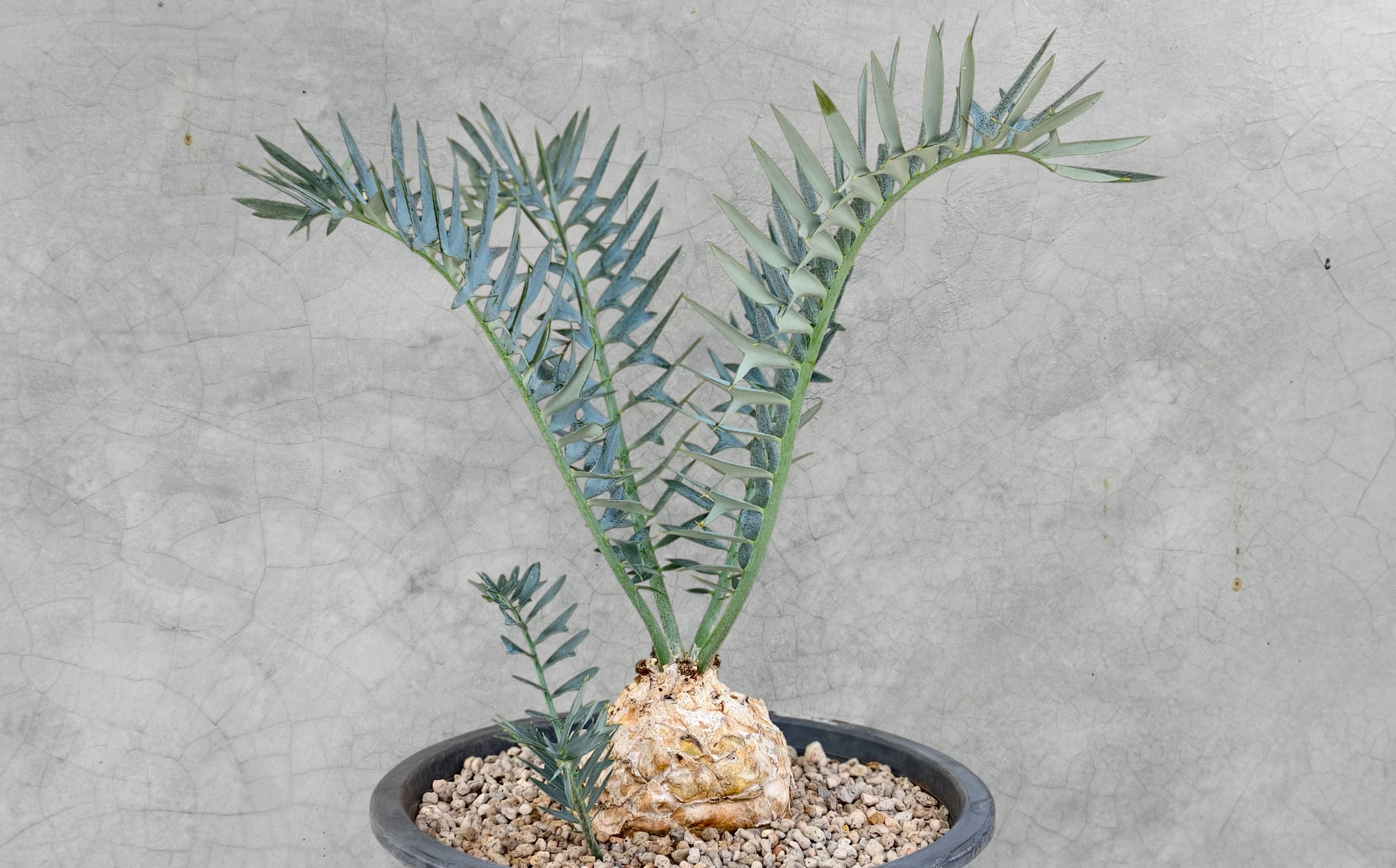
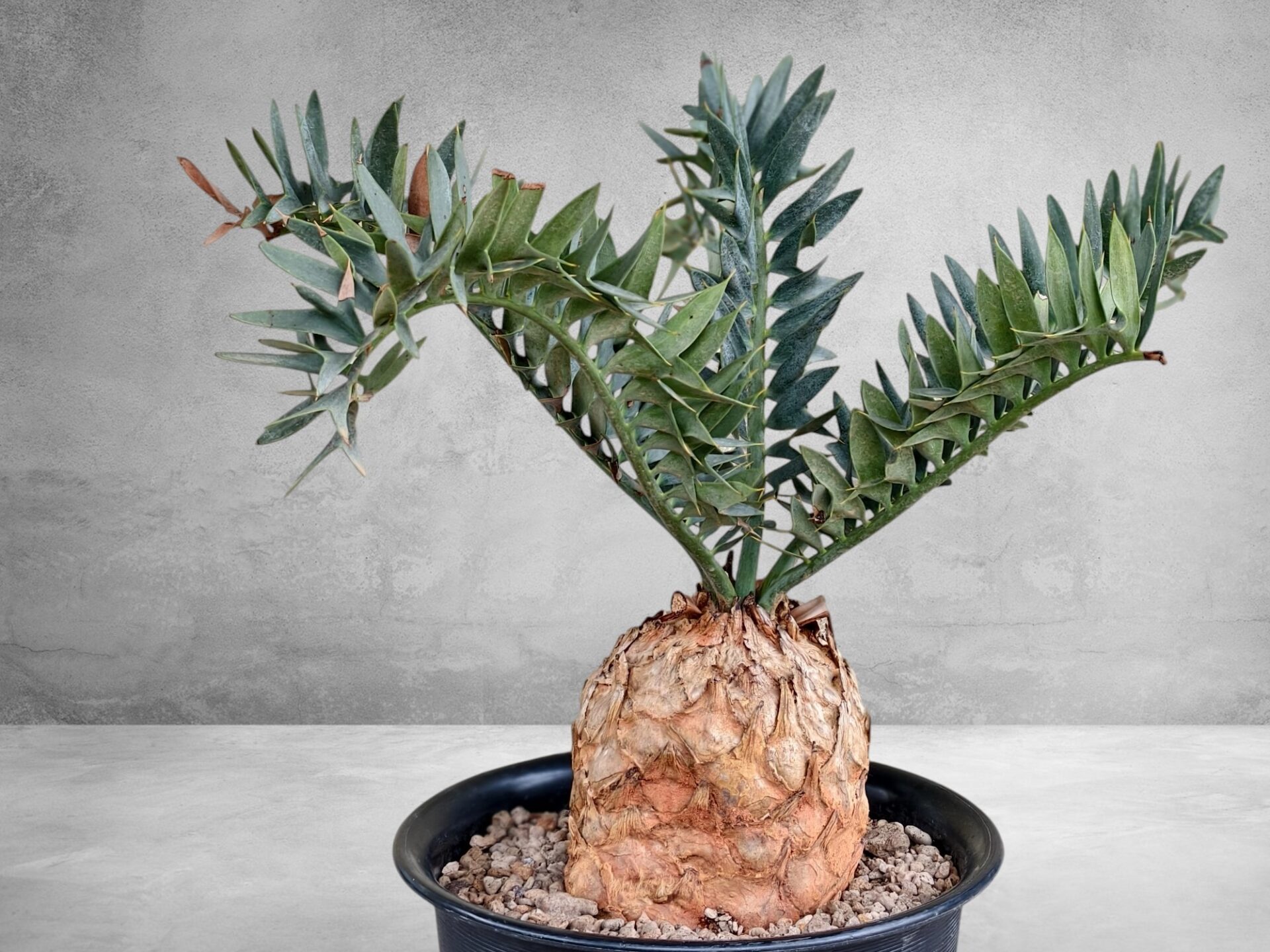
Encephalartos horridus Care Guide: Essential Tips for Successfully Growing the Blue King of Cycads
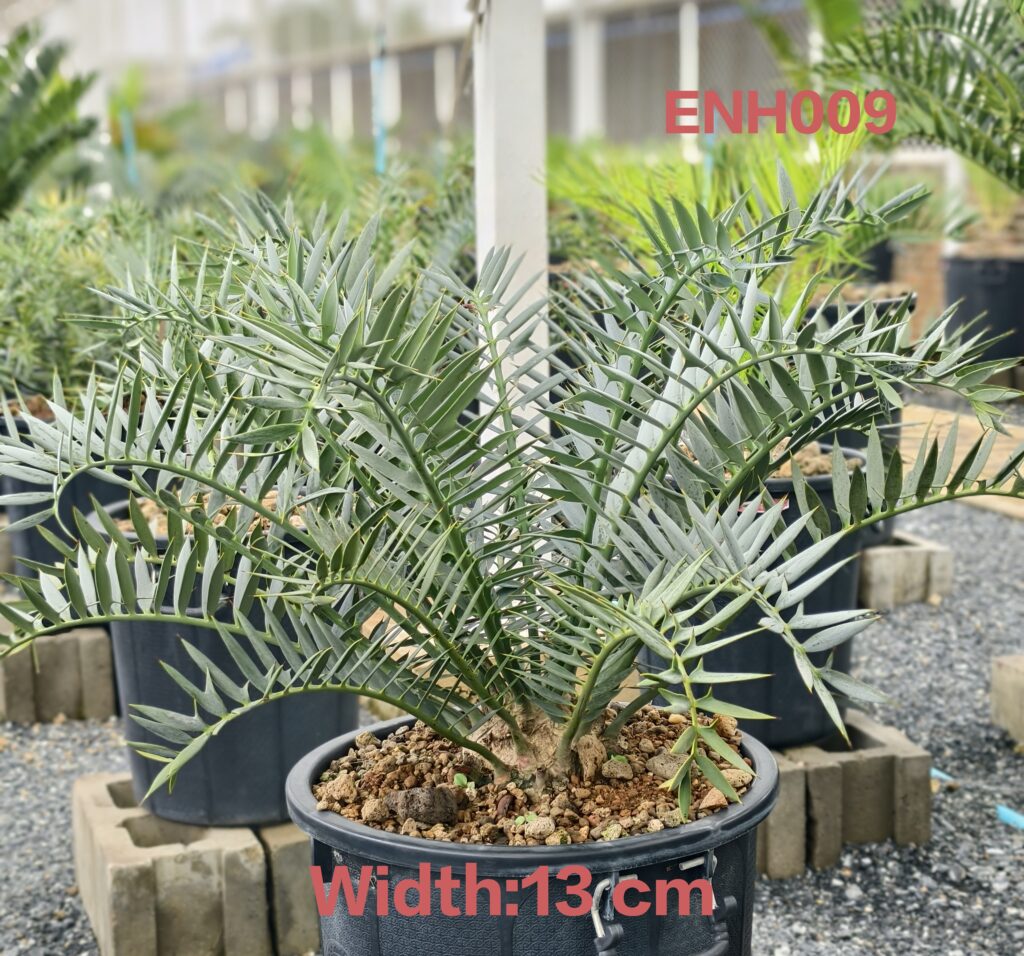
Encephalartos horridus, or the Eastern Cape Blue Cycad, is one of the most admired and valuable cycads in the world. Its striking powdery-blue leaves and slow, sculptural growth make it a prized botanical treasure. To maintain the beauty and health of this ancient species, proper care is essential.
This comprehensive guide provides key principles and actionable tips to help your blue cycad thrive with confidence.


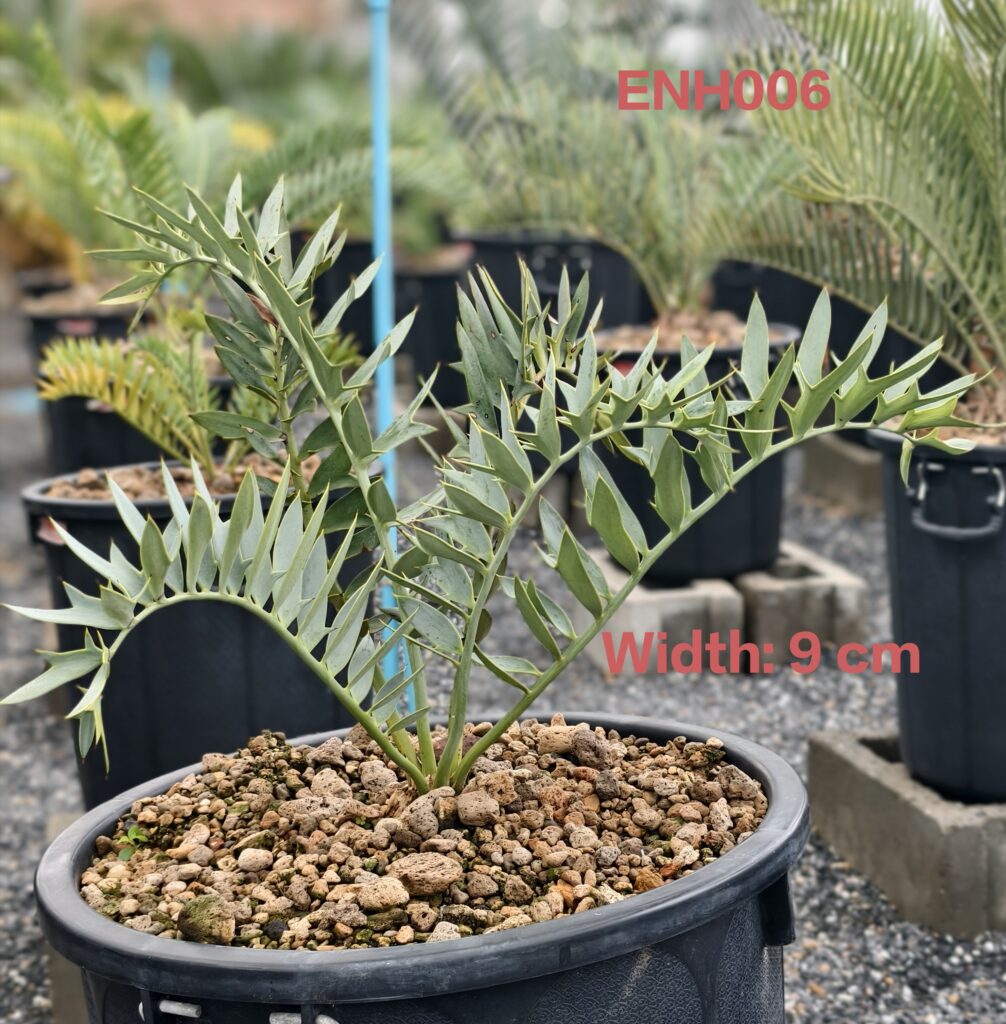
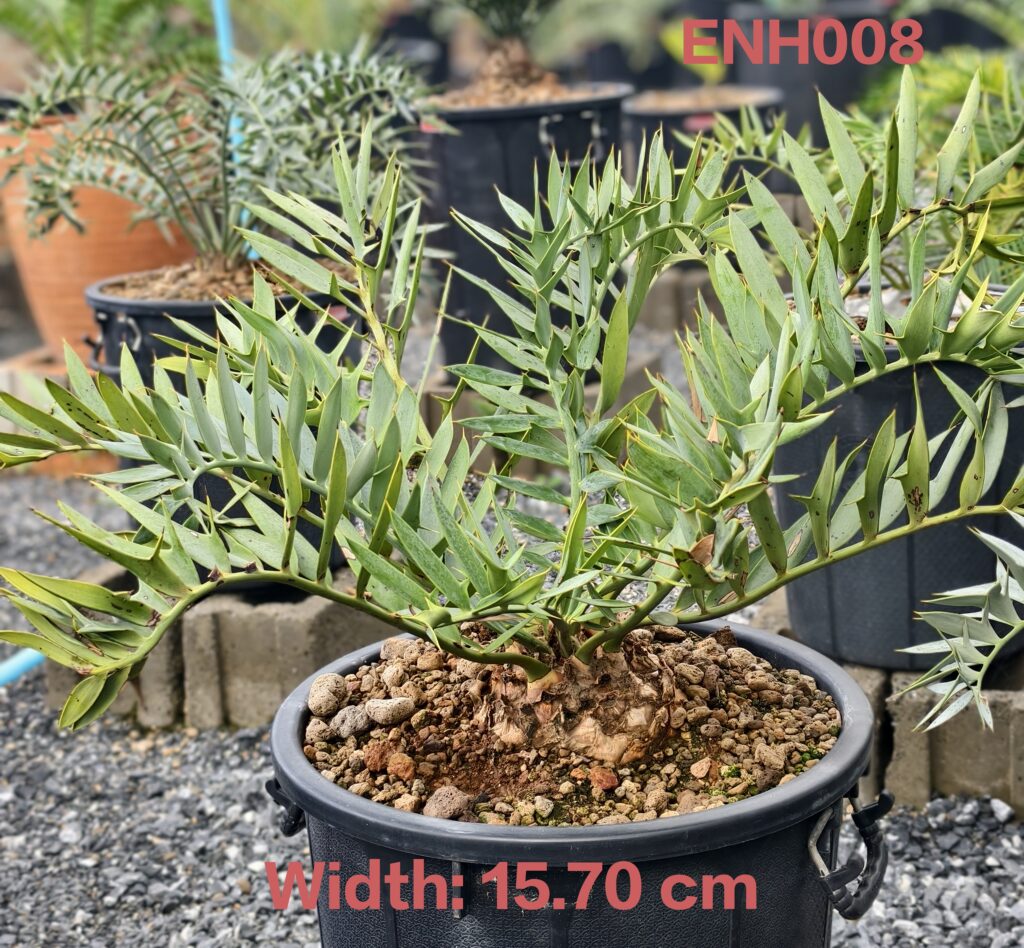
1. Sunlight: The Secret Behind That Perfect Blue Glow
E. horridus demands full, intense sunlight to develop its iconic powdery-blue foliage. Adequate light is the single most important factor in bringing out the plant’s signature coloration.
When grown in excessive shade, the blue tone fades and the leaves turn deep green—greatly diminishing the plant’s visual impact.
Recommendation:
Place the plant where it receives at least 6–8 hours of direct sunlight daily for optimal coloration.
2. Soil & Drainage: The Foundation of Survival
Originating from dry, rocky habitats, E. horridus depends on excellent drainage to avoid caudex rot, one of the main causes of plant loss. Soil quality is crucial.
Ideal Soil Mix:
Use a medium that contains at least 50% fast-draining materials, such as:
- Coarse sand
- Pumice
- Perlite
These allow excess water to escape quickly, keeping the caudex dry and healthy.
Avoid:
Clay soils or moisture-retentive mixes—they significantly increase the risk of rot.
3. Watering: Minimal but Mindful
This species is exceptionally drought tolerant and capable of surviving extended dry periods. Overwatering poses a far greater risk than underwatering.
Watering Principles:
- Allow the soil to dry almost completely between watering cycles
- In hot summer months, watering once a week is typically sufficient
- In cool seasons or winter, reduce watering drastically—some collectors stop watering entirely
Quick Check:
Insert a finger 2–3 inches into the soil. If moisture is still present, do not water.
4. Temperature & Climate Preferences
E. horridus thrives in warm to hot, semi-arid climates.
- It can withstand short periods of cold, down to –6.6°C, but prolonged exposure to frost should be avoided
- In regions with harsh winters, relocate the plant to a greenhouse or indoors during cold months
This ensures leaf preservation and protects the caudex from cold damage.
5. Fertilizing: Gentle Feeding During Active Growth
Because E. horridus grows slowly, it does not require frequent fertilization.
Best Practices:
- Fertilize lightly during the growing season (spring to summer)
- Use a balanced fertilizer or cycad-specific formula
- Avoid high-nitrogen blends, which may intensify green coloration and reduce the plant’s desirable blue tone
A subtle feeding regimen keeps the plant healthy without encouraging unnaturally fast or weak growth.
6. Pest & Disease Management
Common pests affecting cycads include:
- Mealybugs
- Mites
These pests often target new flushes, when leaves are tender and vulnerable.
Prevention:
- Inspect the plant regularly—especially around the leaf bases and caudex
Treatment Options:
- Dab pests with alcohol
- Apply neem oil as an organic solution
Disease Note:
Cycads are susceptible to fungal infections, especially Phytophthora cinnamomi, often caused by poor drainage.
Using a fast-draining soil mix and controlling moisture are your best defenses.
Quick Care Summary
| Care Factor | Recommendation for Encephalartos horridus |
|---|---|
| Sunlight | Full sun for premium blue coloration |
| Soil | Extremely well-draining mix (≥50% coarse materials) |
| Watering | Sparingly; let soil dry almost completely |
| Fertilizer | Light feeding only during growing season |
| Temperature | Prefers warm climates; protect from frost |
Conclusion: A King Worthy of Patience and Precision
Caring for Encephalartos horridus is an investment—one that rewards patience with unmatched beauty. With the right balance of sunlight, drainage, and mindful watering, your Blue Cycad can flourish into a magnificent showpiece of your collection.
Whether you’re an avid cycad enthusiast or a collector of rare botanical treasures, mastering these care principles ensures your Blue King thrives for generations to come.