The King of Madagascar: A Collector’s Guide to Pachypodium baronii
Introduction: The Rare Jewel of the Spiny Desert
The genus Pachypodium, often referred to as the Madagascar Palm, is renowned among succulent enthusiasts for its dramatic, sculptural forms. Among its most coveted species is Pachypodium baronii, a magnificent caudiciform plant native to the rocky, dry forests of northern Madagascar. This species is not merely a plant; it is a living piece of art and a testament to the island’s unique biodiversity. Its rarity, combined with its spectacular features, makes it a highly sought-after addition to any serious collection.
Distinctive Characteristics and Selling Points
Pachypodium baronii possesses a suite of features that elevate it far beyond a typical houseplant, positioning it as a premium collector’s item.
1. The Sculptural Caudex: A Natural Masterpiece
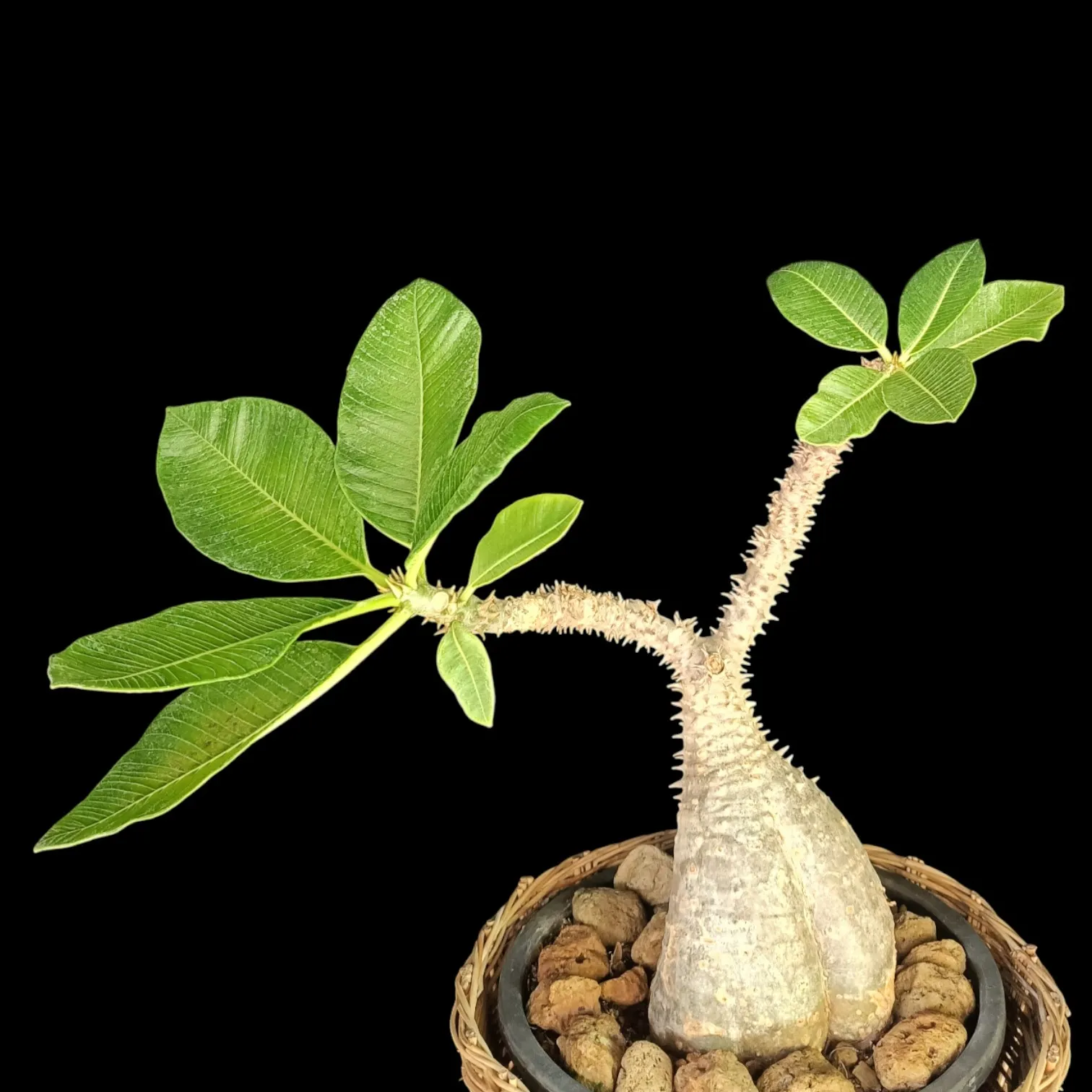
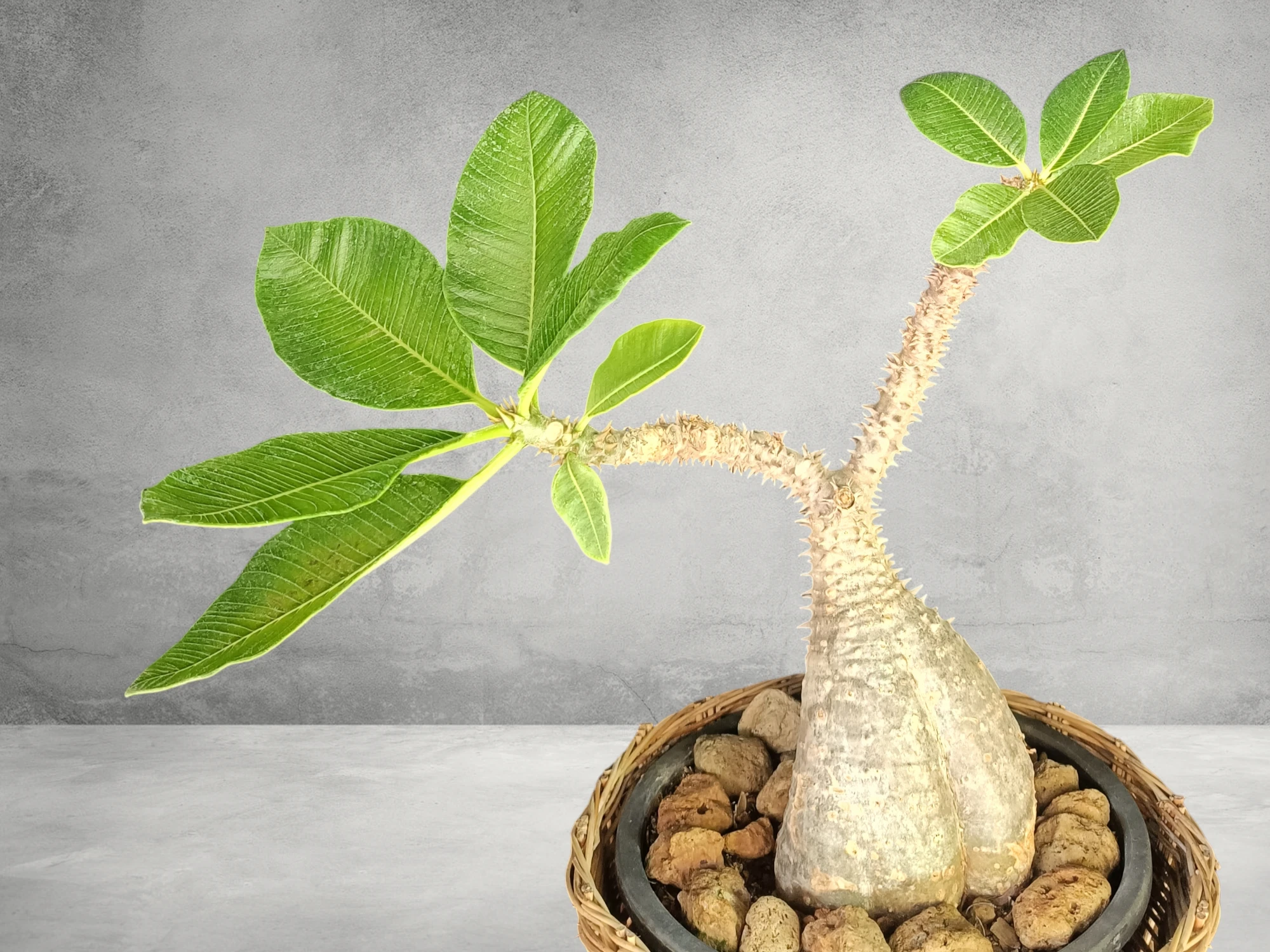
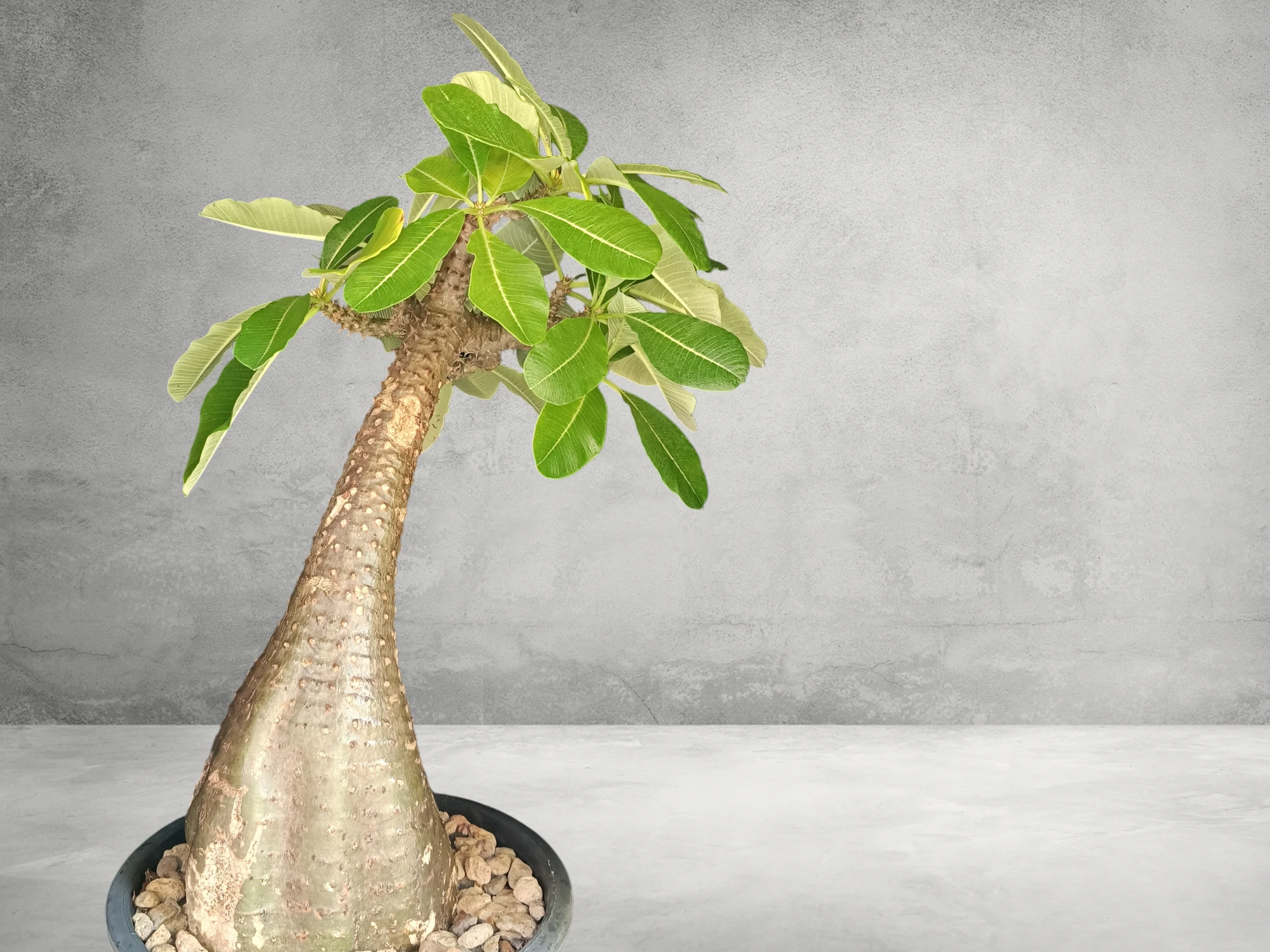
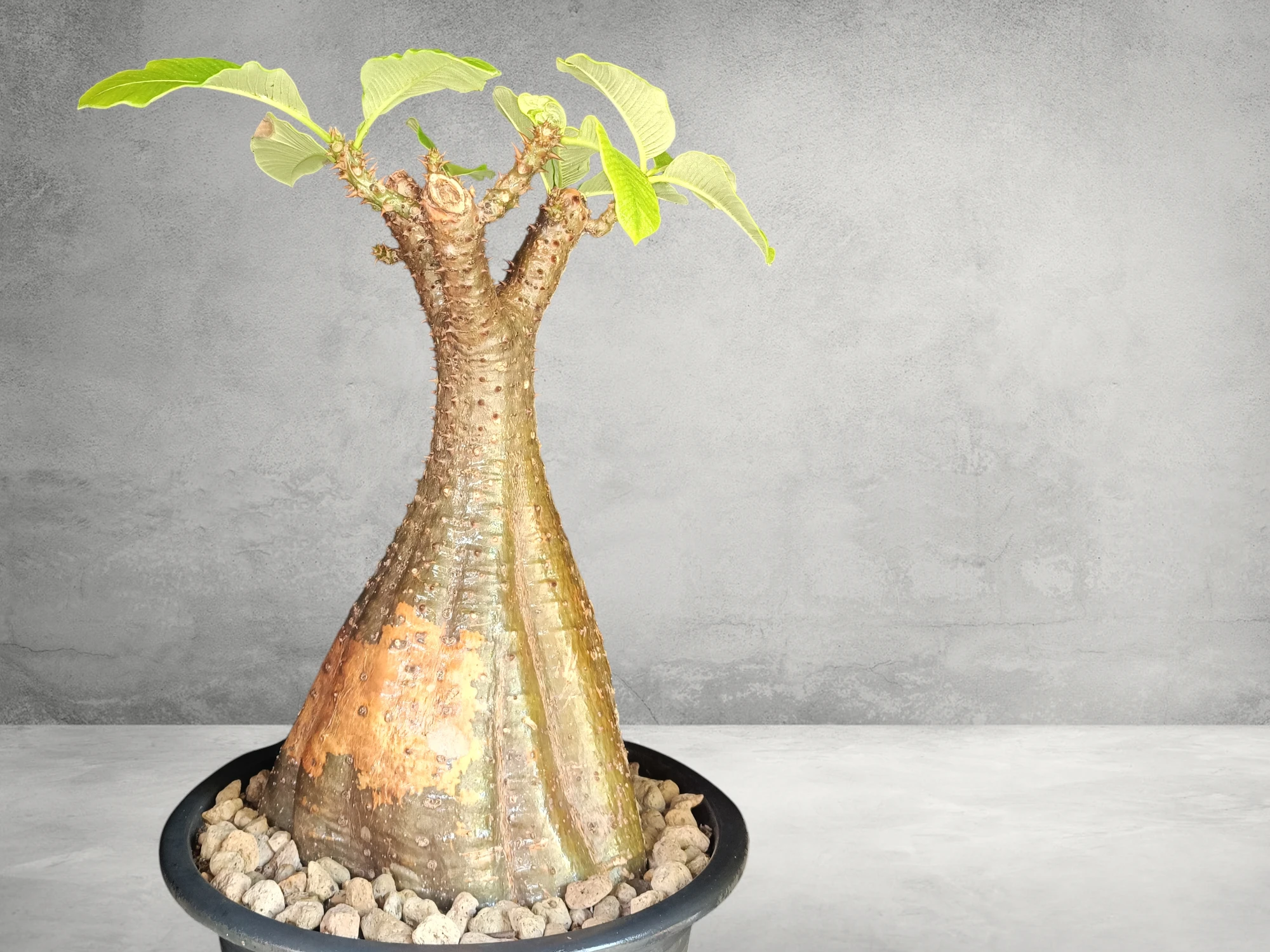
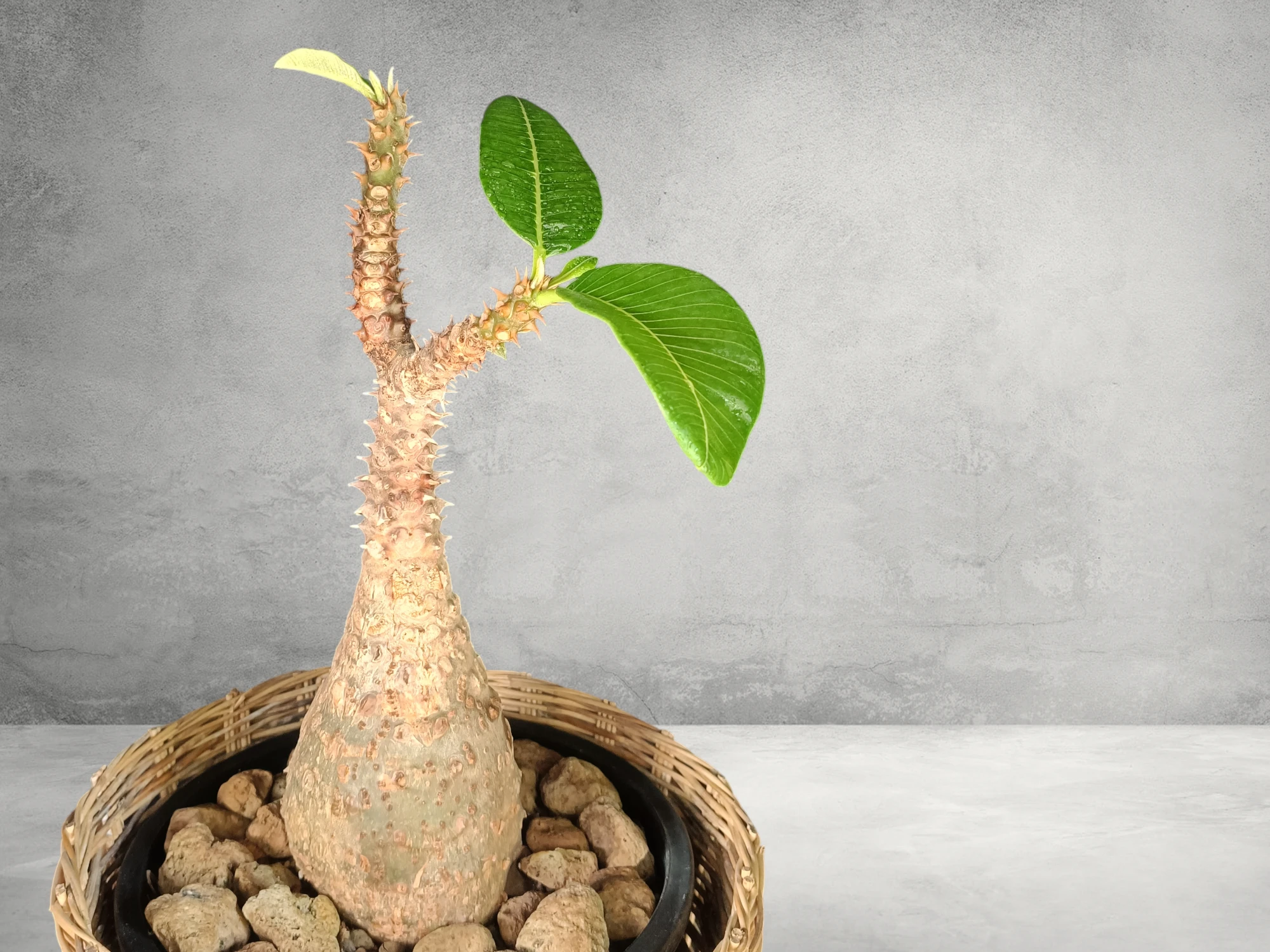
The most striking feature is its caudex—the swollen, bottle-shaped trunk that serves as a water reservoir. This robust base gives the plant its distinctive, architectural silhouette. In cultivation, the caudex develops a thick, pale, grayish-tan bark, often with a slightly textured or mottled appearance, which contrasts beautifully with the green foliage. This massive, woody base is a symbol of resilience and age, appealing to collectors who value plants with a strong, established presence.
2. The Crown Jewel: Spectacular Crimson Flowers
While the caudex provides the structure, the flowers are the main event. P. baronii is famous for producing some of the most vibrant blooms in the entire genus.
| Feature | Description | Value Proposition |
| Color | Intense, vibrant scarlet-red to crimson | Unmatched visual impact; a rare color in the succulent world. |
| Form | Large, trumpet-shaped flowers, often with a contrasting white or yellow eye in the center. | High aesthetic appeal; a dramatic focal point when in bloom. |
| Timing | Typically blooms during the summer growing season. | Provides a spectacular seasonal display, rewarding the dedicated collector. |
3. Rarity and Conservation Status
The value of Pachypodium baronii is significantly enhanced by its conservation status. It is classified as Endangered (EN) on the IUCN Red List and is listed on CITES Appendix I. This designation means that international trade in wild-collected specimens is strictly regulated, making legally and sustainably cultivated plants like this one highly valuable and desirable. Owning a cultivated P. baronii is a way to appreciate this rare species while supporting ethical horticulture.
Specimen Spotlight: PBA 001
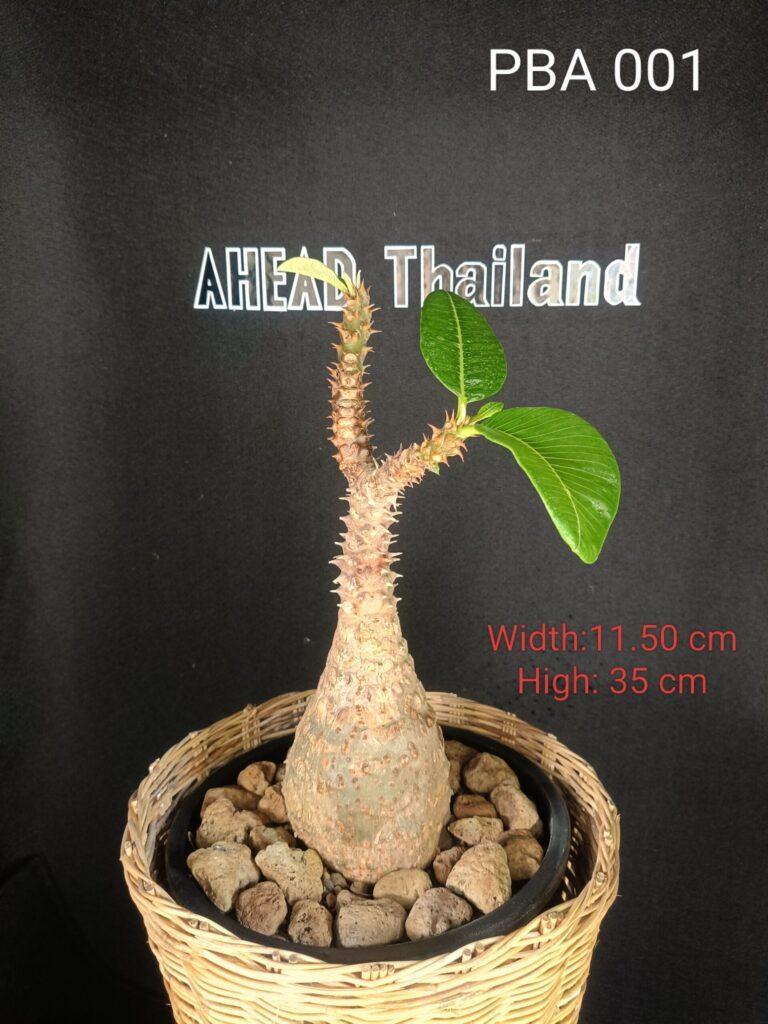
The specimen shown here, labeled PBA 001, is an excellent example of a healthy, well-cultivated Pachypodium baronii.
| Detail | Measurement/Description | Collector’s Note |
| ID | PBA 001 | Unique identifier for tracking and provenance. |
| Height | 35 cm (approx. 13.8 inches) | A perfect size for display on a shelf or windowsill. |
| Width | 11.50 cm (approx. 4.5 inches) | Indicates a well-developed, desirable caudex girth relative to its height. |
| Form | Prominent, established bottle-shaped caudex with a spiny, bifurcating stem. | Shows excellent form development, a key trait for collector value. |
| Condition | Healthy, glossy green leaves at the tips, indicating active growth. | Ready to thrive in its new home. |
| Presentation | Planted in a contemporary black pot, elegantly housed in a woven wicker basket with decorative top dressing. | Ready for immediate display, enhancing its premium appeal. |
Cultivation and Care: Simple Elegance
Despite its exotic origins, P. baronii is relatively straightforward to care for, making it an excellent choice for both experienced collectors and dedicated beginners.
•Light: Prefers full sun to bright, filtered light. Adequate light is crucial for caudex development and flowering.
•Water: Water thoroughly during the summer growing season, allowing the soil to dry out completely between waterings. Reduce or cease watering entirely during its deciduous winter dormancy period.
•Soil: Requires a highly porous, well-drained succulent/cacti mix to prevent root rot.
Conclusion: An Investment in Botanical Beauty
Pachypodium baronii is more than just a succulent; it is a statement piece. Its dramatic form, rarity, and the promise of its spectacular crimson flowers make it a truly exceptional plant. Specimen PBA 001, with its ideal dimensions and attractive presentation, offers a unique opportunity to acquire a healthy, high-value example of this endangered botanical treasure. Do not miss the chance to add this “King of Madagascar” to your collection.
Talk about : Price, How to Buy?, Where to Buy?