Encephalartos Horridus ENH008: The Investment-Grade Eastern Cape Blue Cycad
The genus Encephalartos represents some of the most ancient and highly prized plants in the world of horticulture. Among them, Encephalartos Horridus, commonly known as the Eastern Cape Blue Cycad, stands out as a true collector’s gem. This species is celebrated for its dramatic, deeply spiny foliage and its captivating blue coloration, making it a powerful architectural statement . We proudly present Specimen ENH008, an exceptional example of this living fossil, ready to become the centerpiece of a discerning collection.
The Allure of the Blue Cycad
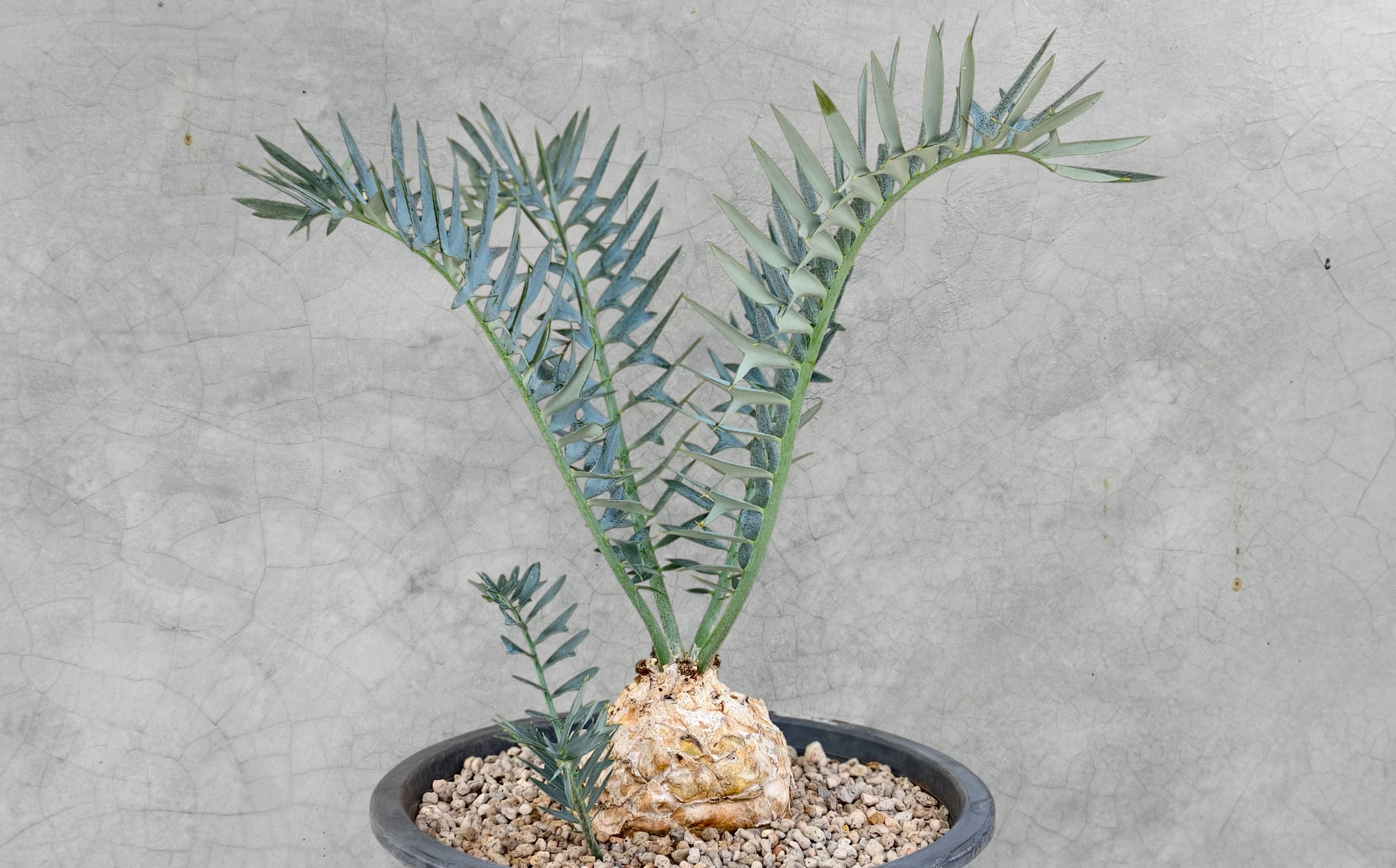
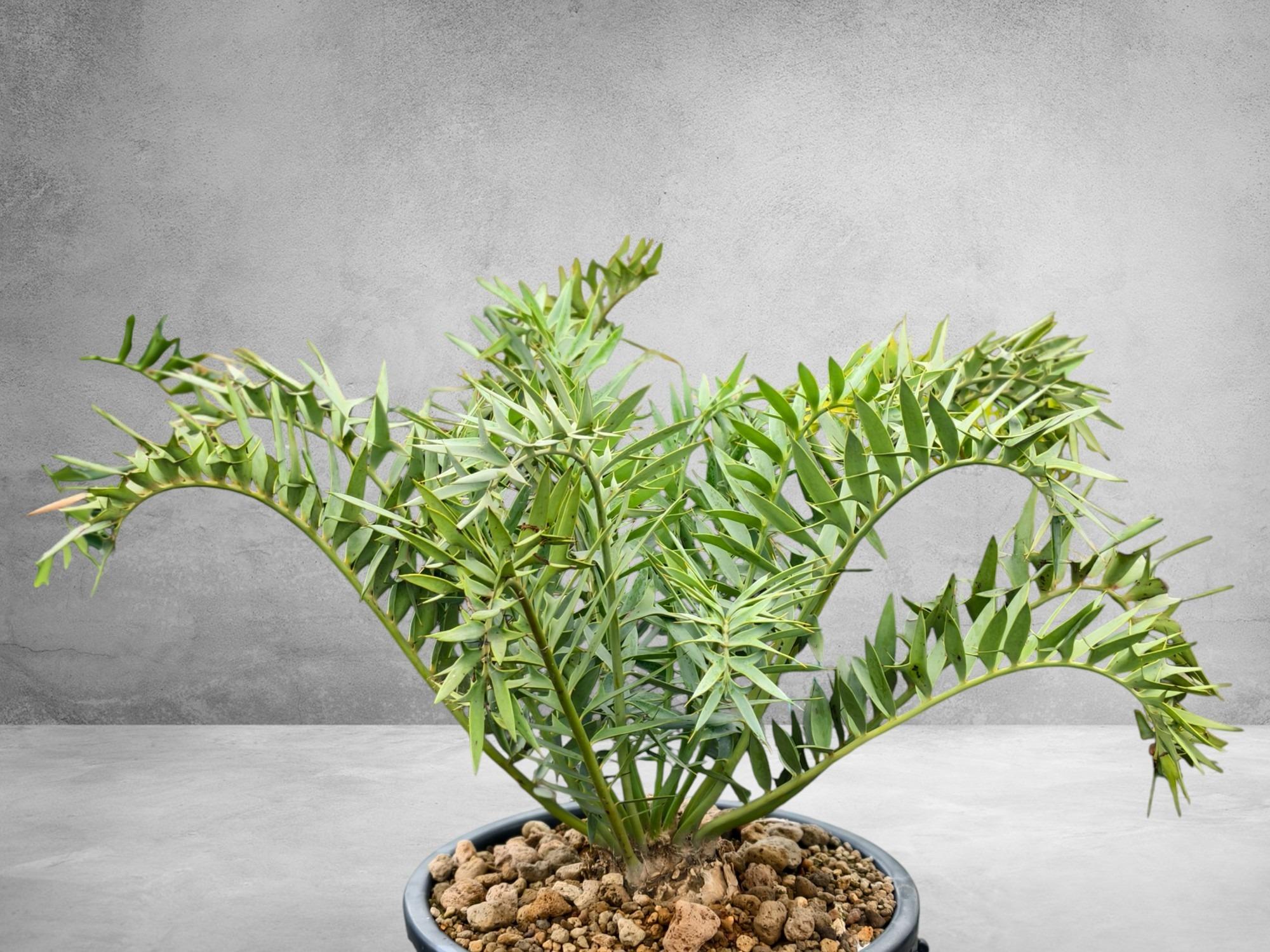
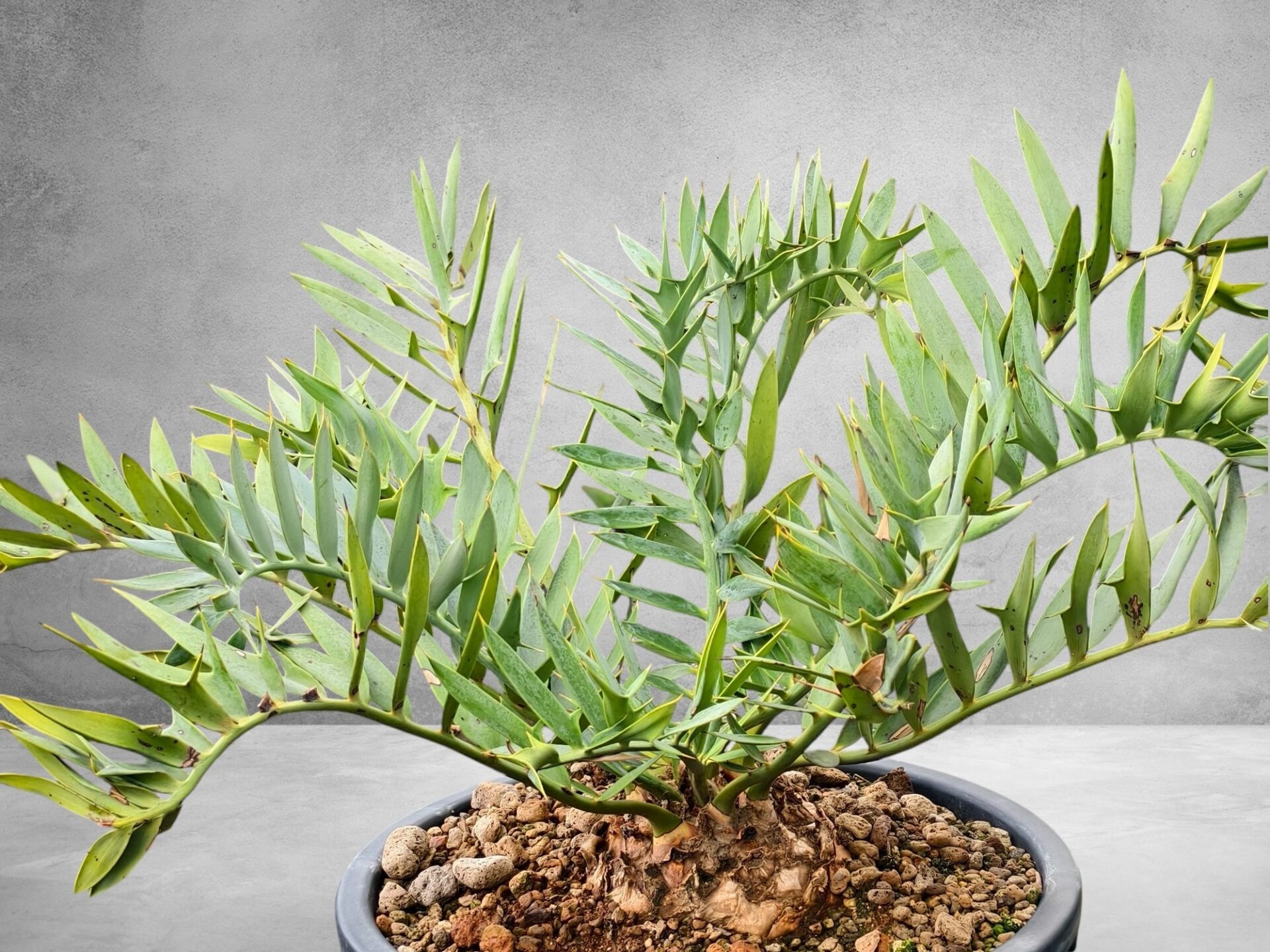
The primary appeal of E. horridus lies in its stunning, glaucous blue-green leaves. This coloration is a hallmark of the most sought-after cycads, providing a striking contrast to the typical green of a tropical garden . The species name horridus is derived from Latin, meaning ‘bristly’ or ‘spiny,’ a nod to the plant’s rigid, arching fronds. These leaves are deeply divided into numerous spine-tipped leaflets, creating a rugged, prehistoric texture that is both beautiful and formidable .
As a slow-growing plant that can live for centuries, the acquisition of a mature specimen is an investment in botanical history . Its compact growth habit, with a trunk (caudex) that rarely exceeds two feet in height, makes it an excellent choice for container gardening or as a focal point in a rock garden .
Specimen ENH008: Details and Investment Value
Specimen ENH008 is a robust, established plant that demonstrates the vigor and health essential for a high-value cycad. The size of the caudex is a key indicator of a cycad’s age and stability, representing many years of careful cultivation.
| Feature | Detail | Value Proposition |
| Species | Encephalartos Horridus (Eastern Cape Blue Cycad) | A rare, highly desirable blue cycad with significant collector appeal. |
| Specimen Code | ENH008 | Unique identifier for tracking provenance and history. |
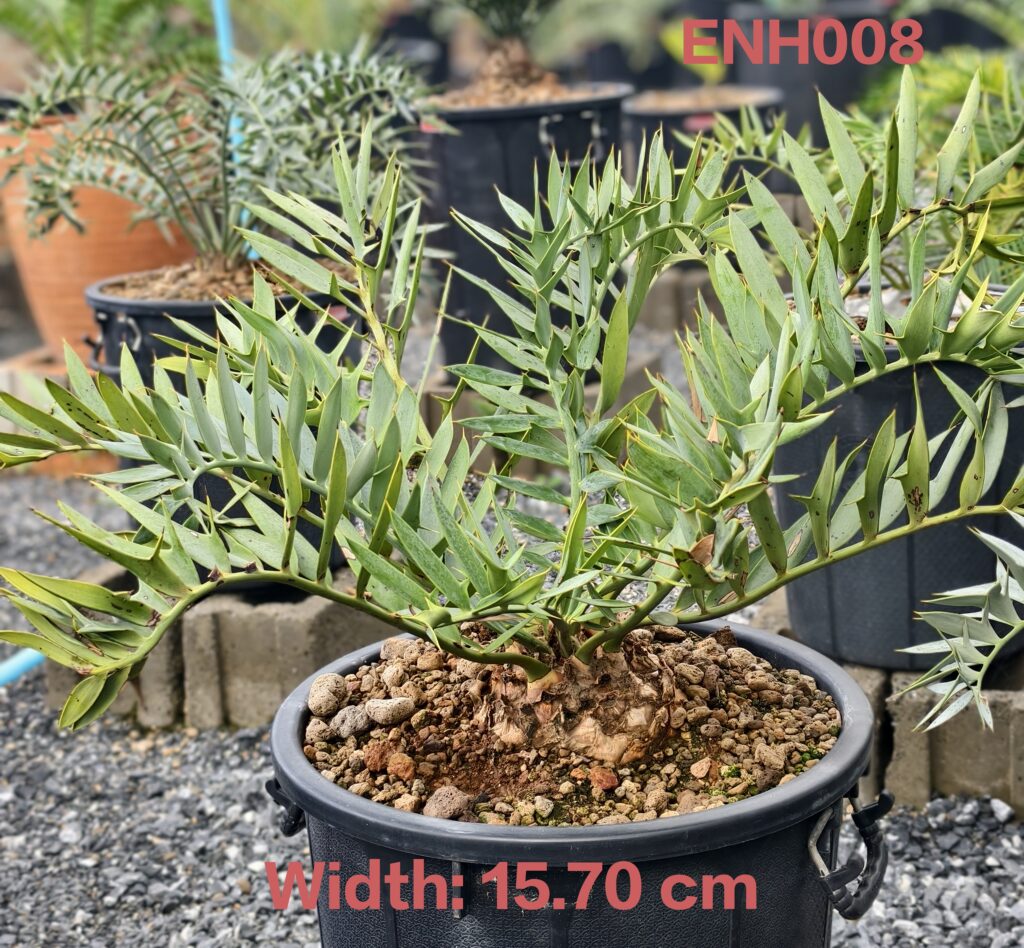
| Caudex Width | 15.70 cm | Indicates a substantial, mature plant with a strong, established root system, promising continued growth. |
| Foliage | Glaucous Blue-Green, Deeply Spiny | Provides a unique, architectural, and high-contrast aesthetic. |
| Rarity | Endangered (IUCN Red List) | High investment value due to protected status and slow growth rate. |
This specimen’s substantial 15.70 cm caudex signifies a plant that is approaching maturity and is well-positioned for future coning, an event that dramatically increases the plant’s prestige and value.
Cultivation
Encephalartos Horridus is native to the dry, rocky regions of the Eastern Cape, South Africa, making it remarkably drought-tolerant and relatively low-maintenance once established .
Care Highlights:
•Light: Prefers full sun to partial shade. The blue coloration is often more intense in brighter light.
•Soil: Requires extremely well-drained soil. A mix formulated for cycads or succulents is ideal.
•Water: Water sparingly, allowing the soil to dry out completely between waterings. Overwatering is the most common cause of decline.
•Hardiness: Tolerant of mild frosts but thrives in subtropical to Mediterranean climates.
Encephalartos Horridus for Sale, Eastern Cape Blue Cycad, Rare Cycad Investment, Blue Cycad ENH008, Low Maintenance Cycad, E. horridus
Encephalartos Horridus (Eastern Cape Blue Cycad) specimen ENH008 in a black pot, showcasing its striking glaucous blue-green, spiny foliage and a healthy caudex with a measured width of 15.70 cm. Ideal for rare plant collectors and cycad enthusiasts.
Conclusion
Specimen ENH008 of Encephalartos Horridus is more than just a plant; it is a living piece of natural history and a tangible asset. Its rarity, combined with the spectacular blue foliage and the proven stability of its 15.70 cm caudex, makes it an unmissable opportunity for the serious collector. Secure this magnificent Eastern Cape Blue Cycad today and add a touch of prehistoric drama and enduring value to your collection.
Talk about : Price, How to Buy?, Where to Buy?