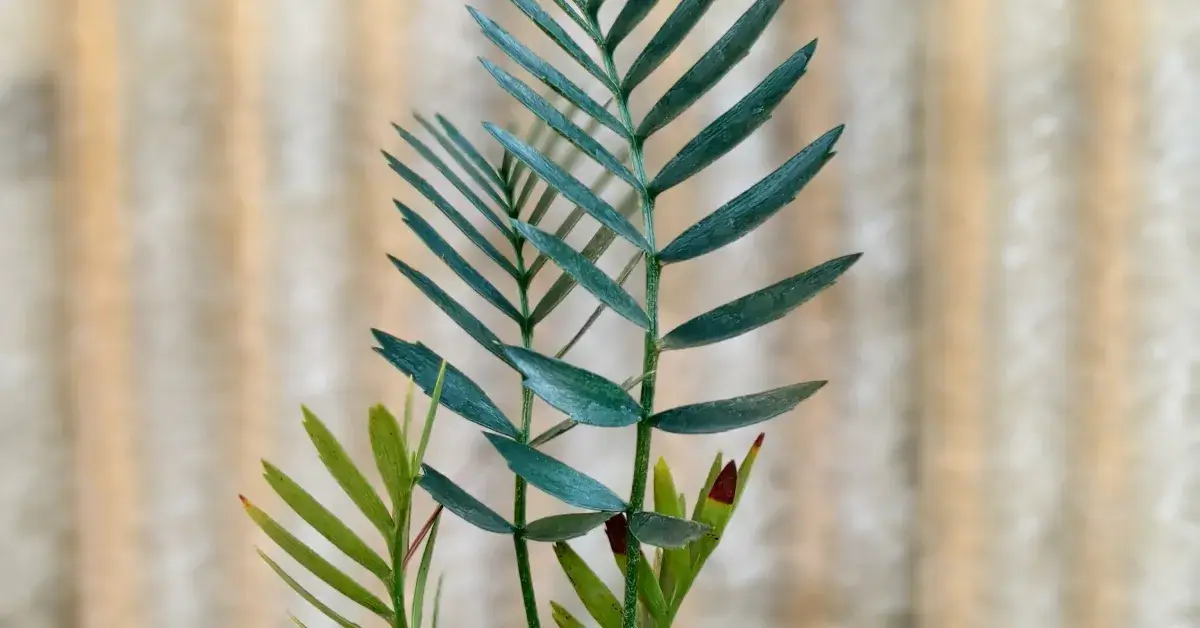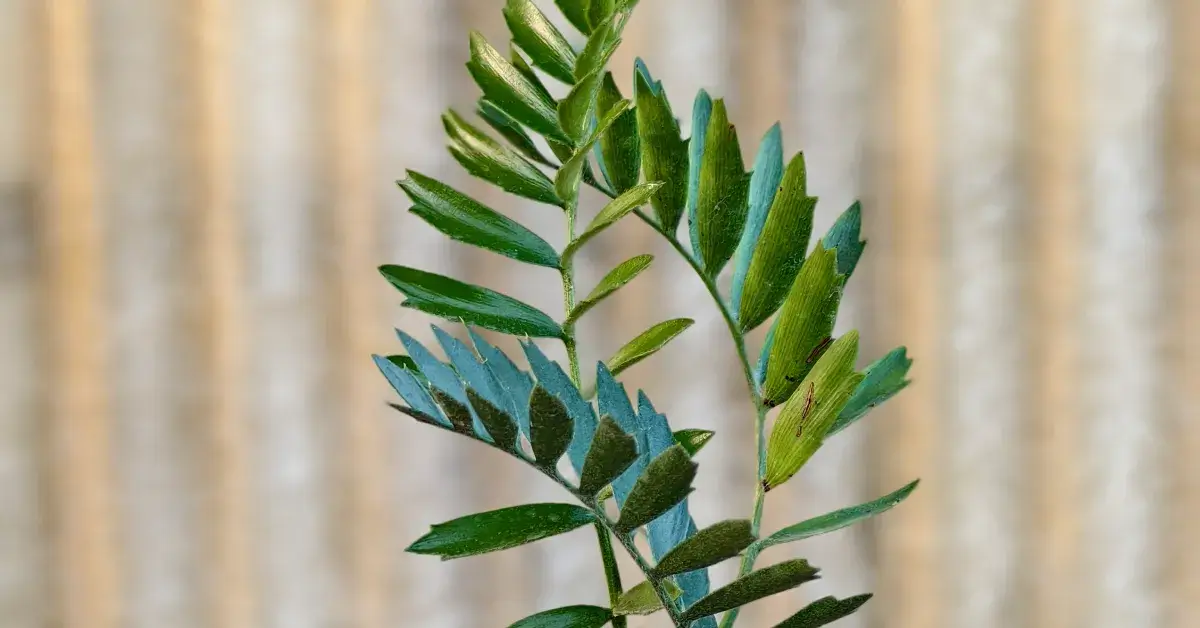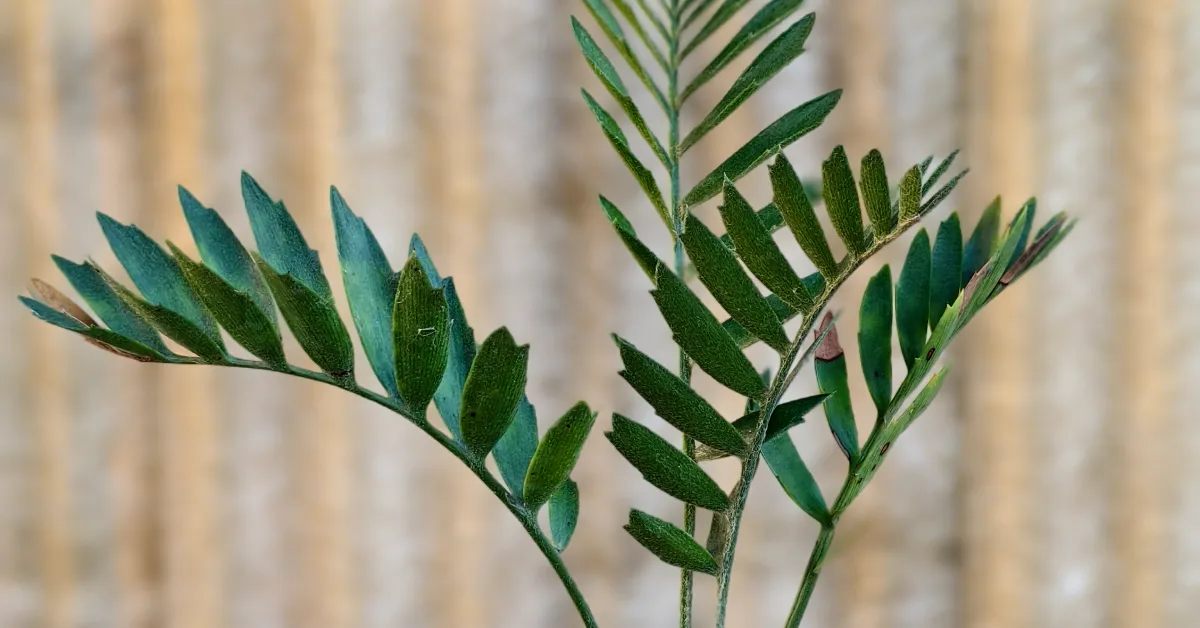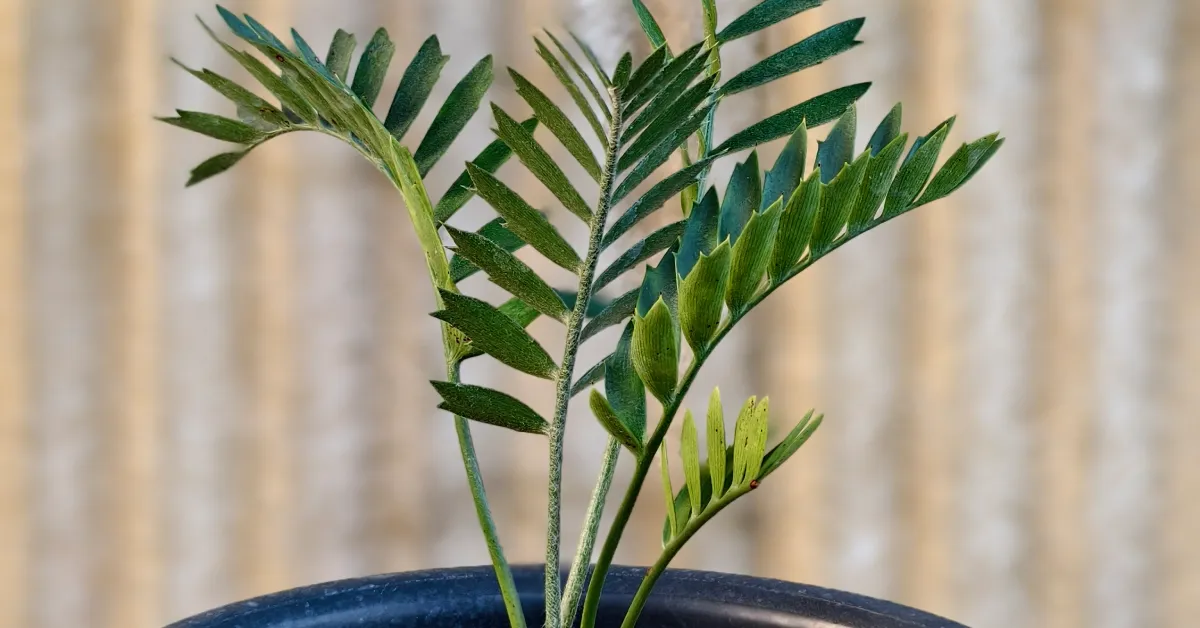
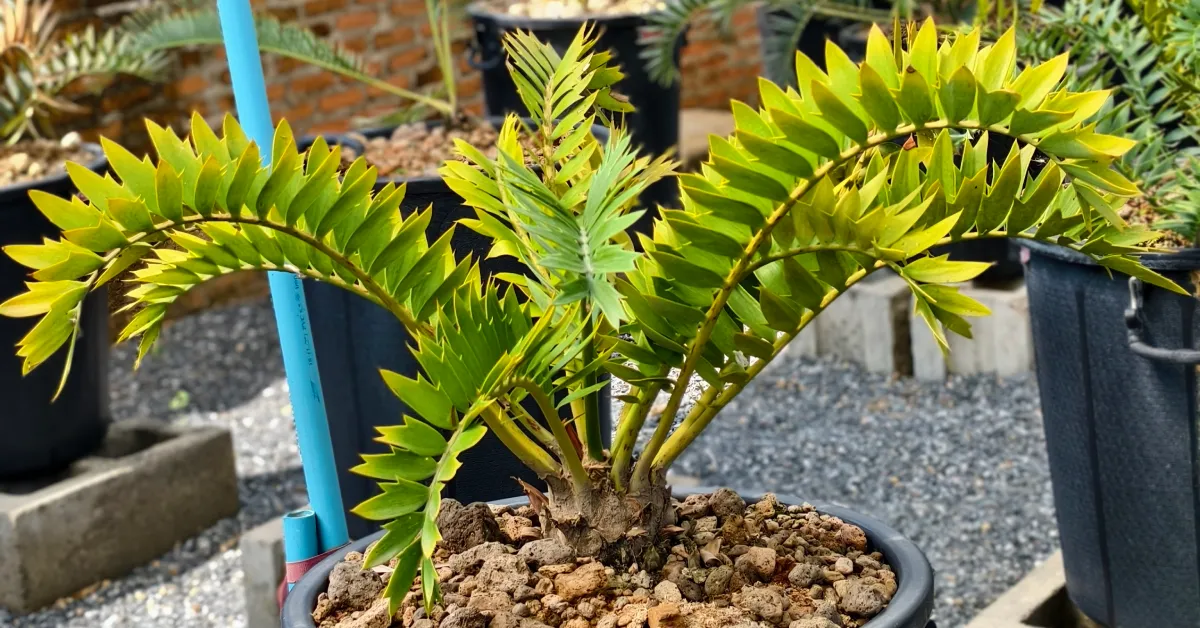
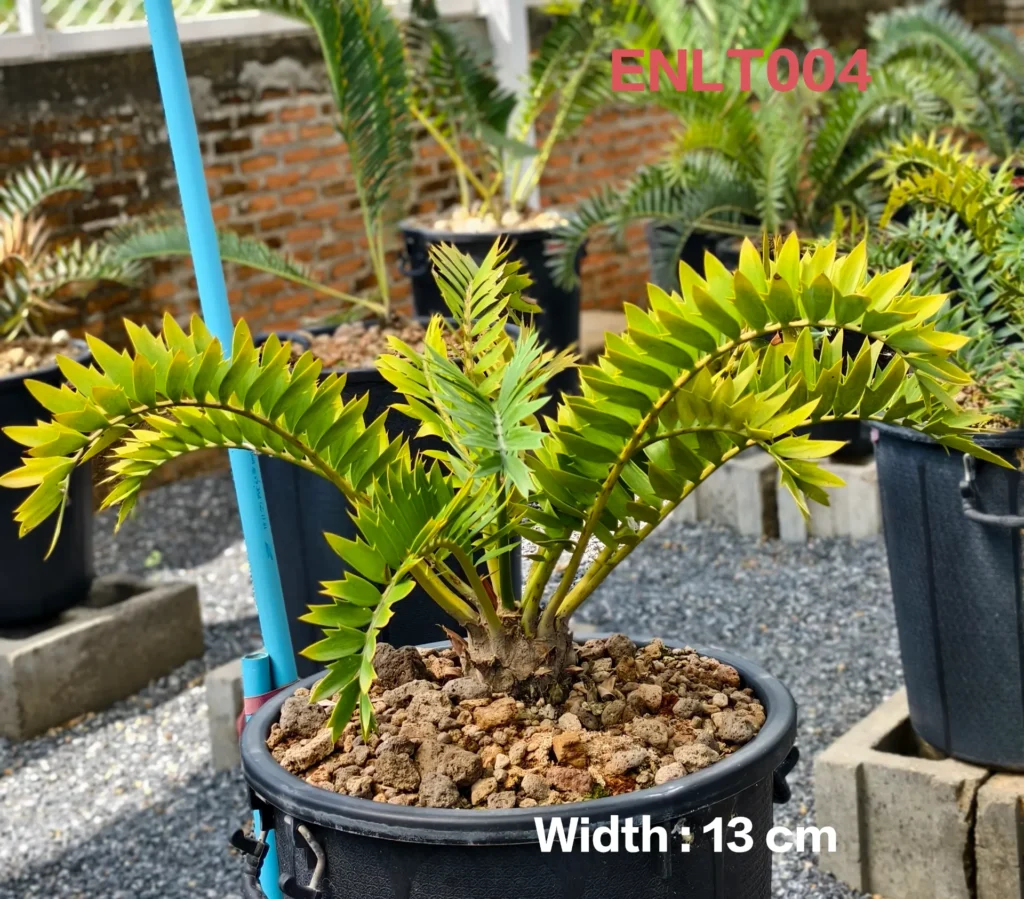
Encephalartos Latifrons (ENLT004): A magnificent, critically endangered cycad with a 13 cm caudex, showcasing its signature broad foliage and vigorous new growth. Available for sale.
Encephalartos Latifrons: The Majestic Eastern Cape Giant – A Specimen of Significant Size and Vigor (ENLT004)
Product Description:
Encephalartos Latifrons, the Eastern Cape Giant Cycad, is a critically endangered species and a highly coveted “living fossil”. Specimen ENLT004 is a truly magnificent example, showcasing a substantial and well-established caudex with a width of 13 cm. This plant is a testament to the species’ slow, enduring growth, featuring a robust, cone-shaped caudex base and a crown of vibrant, newly-flushed leaves that are a striking yellow-green color, a sign of excellent health and vigor.
Key Features That Make It a Must-Have:
• Substantial Caudex Size: At 13 cm, this specimen is a large, established plant, offering immediate impact and high collector value.
• Vigorous New Growth: The presence of bright, newly-flushed leaves indicates a healthy, actively growing plant that has been well-cared for.
• Critically Endangered Status: Owning a legally cultivated specimen like ENLT004 is a valuable investment and a contribution to the preservation of this rare species .
• Architectural Beauty: The robust caudex and the dramatic, sharply-lobed leaflets create a stunning, prehistoric focal point.
Acquire Encephalartos Latifrons (ENLT004), a piece of botanical history that is both a valuable investment and a stunning, large-sized addition to your collection.
Encephalartos Latifrons: Investing in a Living Fossil – Rarity, Value, and Care (SEO Title)
Encephalartos Latifrons is a species of cycad native to the Eastern Cape province of South Africa, renowned for its rarity and dramatic foliage . As a critically endangered “living fossil,” each cultivated specimen holds immense value for collectors worldwide .
Unique Characteristics of Encephalartos Latifrons
The defining feature of E. latifrons is its magnificent foliage. The species name latifrons literally means “broad leaf,” referring to the exceptionally wide leaflets that distinguish it from other Encephalartos species .
| Characteristic | Description of Encephalartos Latifrons |
| Caudex | Thick, woody, columnar with age. Specimen ENLT004 has a robust 13 cm width. |
| Foliage | Dark green, rigid, highly recurved, with the broadest, sharply-lobed leaflets in the genus . New flushes are often a vibrant yellow-green. |
| Growth Rate | Extremely slow, with new leaves (flushes) appearing infrequently. |
| Conservation Status | Critically Endangered (CR) . |
Specimen ENLT004: A Statement Piece with Vigorous Growth
Specimen ENLT004 (13 cm caudex) is a true statement piece, comparable in size and maturity to ENLT001 and ENLT003. The plant exhibits a healthy, symmetrical crown, with the characteristic broad, stiff leaflets that are the signature of this species. The most notable feature of this specimen is the vibrant yellow-green color of the new leaves emerging from the center, a clear indication of a recent “flush” of growth. This vigorous new growth is a highly desirable trait, showcasing the plant’s health and active development. This specimen is ideal for the collector seeking a large, established plant with immediate visual impact and high investment potential.
Outstanding Features That Increase Market Value
1. Investment-Grade Rarity: The critically endangered status and slow growth rate ensure that the supply of E. latifrons remains extremely limited, driving its value as a botanical investment .
2. Architectural Display: The stiff, recurved fronds create a symmetrical, fountain-like shape, making it a stunning centerpiece in any garden or collection.
3. Longevity and Heritage: Cycads are known for their extreme longevity. Owning an E. latifrons is a commitment to preserving a piece of natural history for future generations.
Quick Care Tips
• Light: Prefers bright light to full sun, which helps maintain the compact, rigid form of the leaves.
• Soil: Requires extremely well-draining soil, ideally a mix of coarse sand, pumice, and a small amount of organic matter.
• Watering: Water deeply but infrequently, allowing the soil to dry out completely between waterings. Overwatering is the most common cause of failure.
• Temperature: Tolerates mild frost but should be protected from prolonged freezing temperatures.
Don’t miss the opportunity to own Encephalartos Latifrons (Specimen ENLT004), a critically endangered cycad of immense value and beauty in a large, established form with active new growth. Order yours today!
Image Description:
Encephalartos Latifrons (Eastern Cape Giant Cycad) critically endangered species, specimen ENLT004, showing a large 13 cm caudex and a crown of vibrant yellow-green, newly-flushed, broad, rigid leaves.
Encephalartos Latifrons (ENLT004): A magnificent, critically endangered cycad with a 13 cm caudex, showcasing its signature broad foliage and vigorous new growth. Available for sale.
Talk about : Price, How to Buy?, Where to Buy?