Acquire the Rare White-Haired Cycad: Encephalartos friderici-guilielmi (Specimen ENFG007)
The genus Encephalartos represents some of the most ancient and highly prized botanical treasures in the world, often referred to as “living fossils.” Among these, Encephalartos Friderici–Guilielmi, commonly known as the White-haired Cycad, stands out as a magnificent and robust species that is essential for any serious collector of exotic and prehistoric plants. This article provides a detailed profile of this exceptional species and highlights the unique qualities of our specific specimen, ENFG007, which is now available for acquisition.
Botanical Profile and Distinctive Features
Native to the Eastern Cape and KwaZulu-Natal provinces of South Africa, E. Friderici–Guilielmi is celebrated for its striking aesthetic and remarkable hardiness . It is a vigorous grower, known to develop a stout, columnar stem that can eventually reach an impressive height of up to 4 meters in its natural habitat . The common name, White-haired Cycad, refers to the loose, brown-white hair that covers the crown of the stem, particularly when new leaves and cones are emerging.
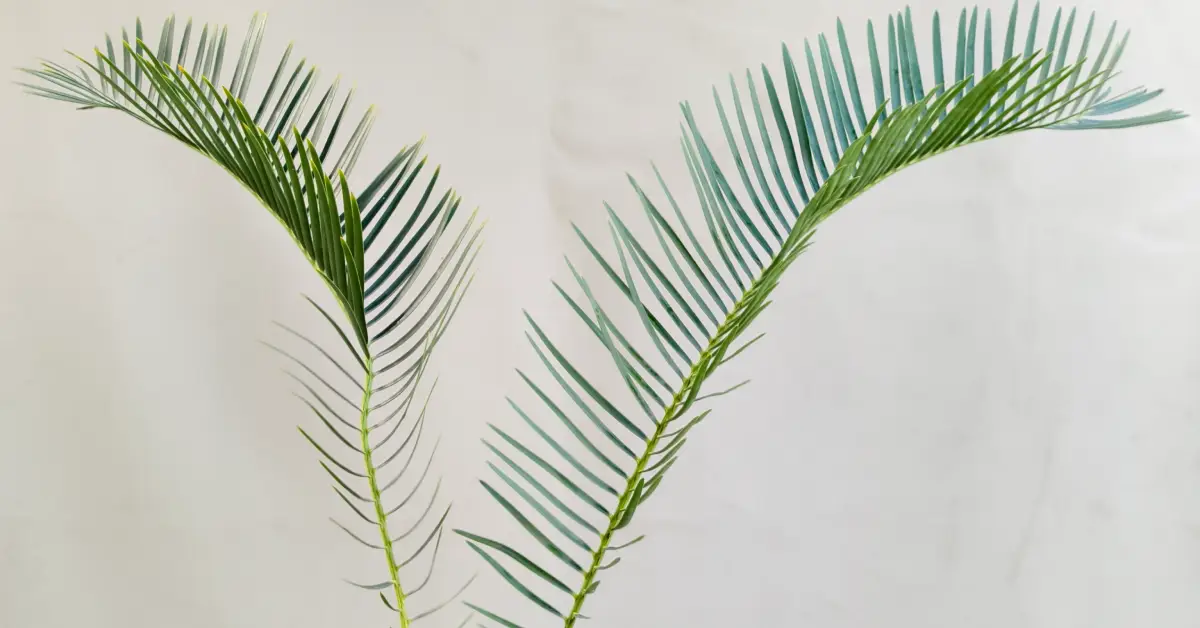
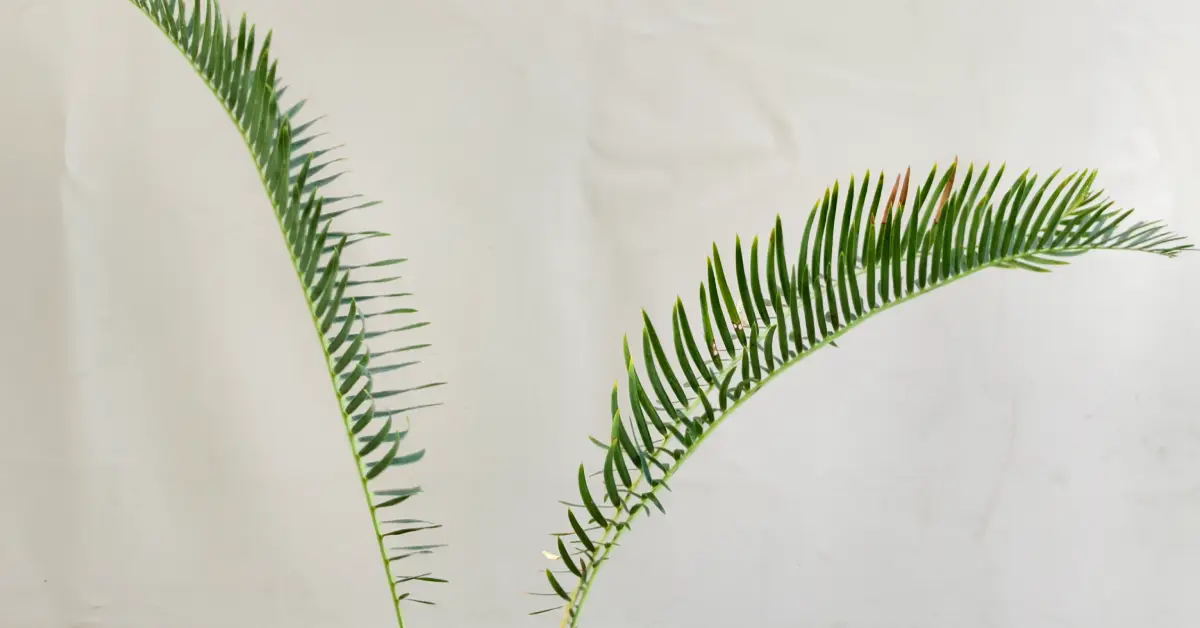
The most captivating feature of this species is its foliage. The leaves are long, typically ranging from 1.0 to 1.5 meters, and emerge in a stunning blue-green hue that darkens to a deep green as they mature . The leaflets are closely spaced, stiff, and end in a sharp point, creating a dense, symmetrical crown that is highly valued for its ornamental appeal. Furthermore, this species is noted for its prolific cone production, bearing the largest number of cones in the entire Encephalartos genus .
| Feature | Description | Value Proposition |
| Foliage Color | Striking blue-green when young, maturing to deep green. | High ornamental value, visually distinct. |
| Growth Habit | Develops a stout, robust stem up to 4 meters tall. | Feature plant potential, commanding presence. |
| Hardiness | Highly adaptable, tolerates frost and dry conditions. | Easy to cultivate in diverse climates, water-wise. |
| Rarity | Highly sought after by cycad collectors globally. | Investment potential, prestige of ownership. |
| Coning | Produces the largest number of cones in the genus. | Unique botanical interest, potential for propagation. |
The Investment and Collector’s Appeal
Cycads, particularly rare Encephalartos species, are not merely plants; they are living pieces of natural history and often represent a significant botanical investment. The rarity and slow growth rate of E. friderici-guilielmi contribute to its high value in the collector market . Acquiring a healthy, established specimen is a strategic addition to any serious collection, offering both unparalleled aesthetic beauty and potential for appreciation in value over time. Its prehistoric appearance makes it a dramatic focal point in any exotic garden or greenhouse setting.
Specimen Spotlight: ENFG007
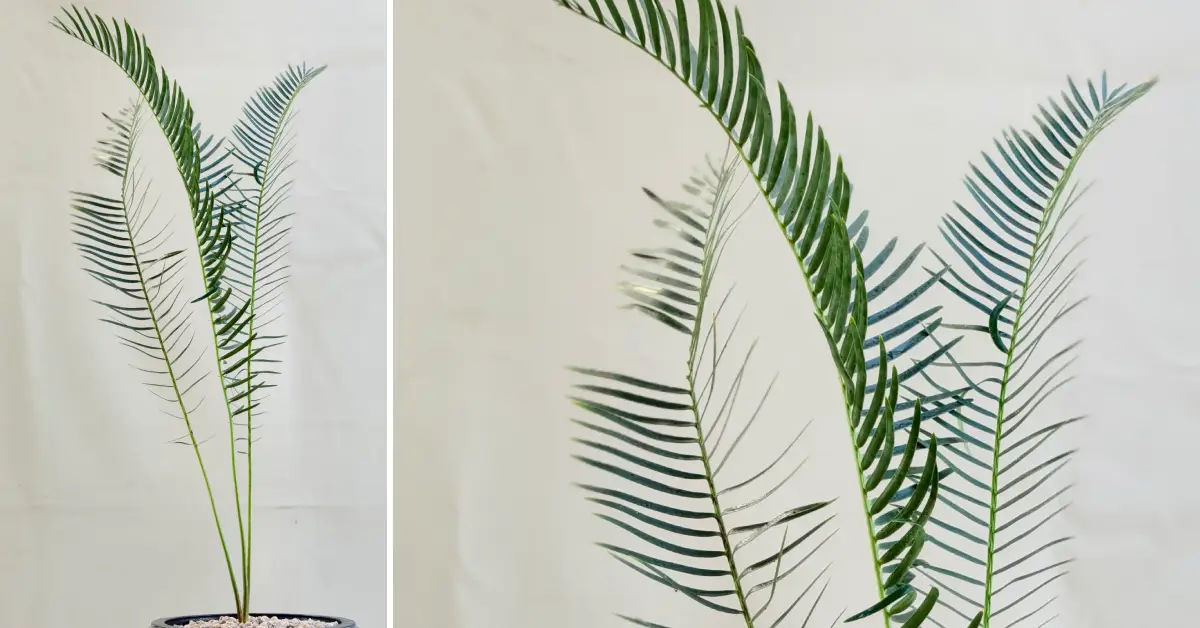
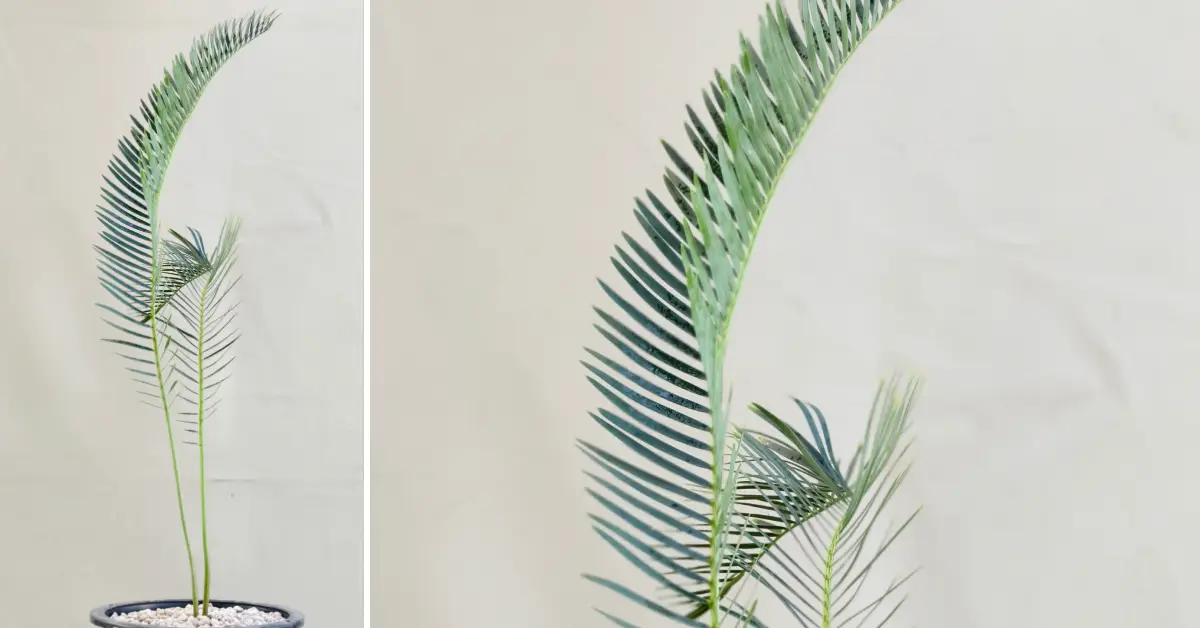
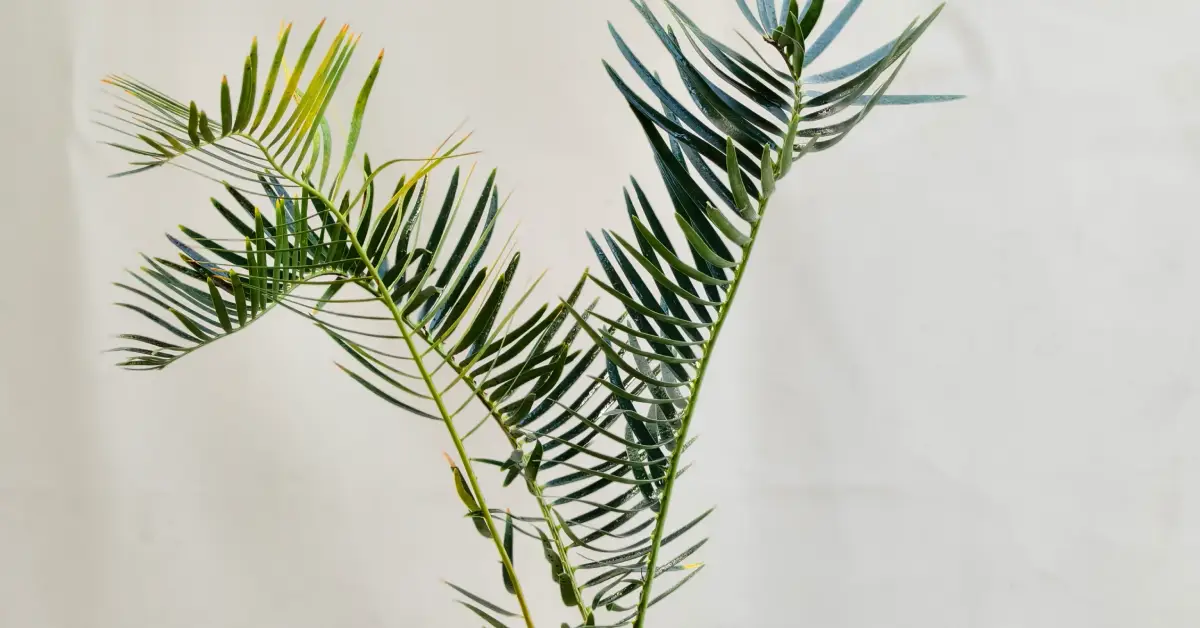
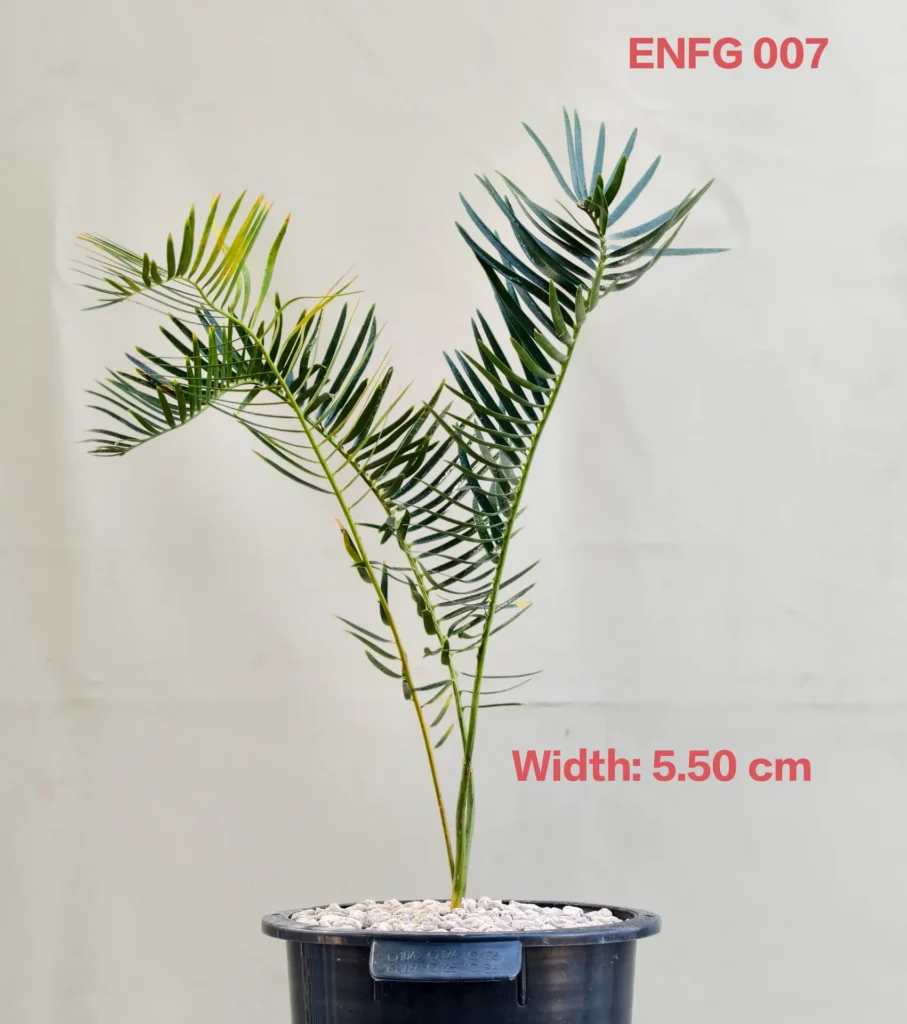
This specific specimen, identified by the unique code ENFG007, represents a prime example of the species’ potential. The photograph reveals a young, exceptionally healthy plant with two vigorous, well-formed fronds displaying the desirable blue-green coloration.
The key measurement provided for this plant is a width of 5.50 cm. This measurement typically refers to the diameter of the caudex (stem), indicating a robust and well-established seedling that has passed the most fragile stage of development. The closely packed, sharp leaflets are clearly visible, confirming the desirable characteristics of the species. Specimen ENFG007 is ready to be transplanted into a larger container or a suitable garden location, promising to grow into a magnificent, mature White-haired Cycad.
Image Description
Encephalartos Friderici–Guilielmi (ENFG001) (White-haired Cycad) specimen ENFG007, a young, healthy plant with two vibrant blue-green fronds and a caudex width of 5.50 cm, ideal for collectors.
Cultivation and Care for Your Cycad
E. Friderici–Guilielmi is known for being relatively easy to cultivate, making it an excellent choice for both experienced cycad enthusiasts and dedicated plant lovers.
•Light: Requires full sun to thrive and maintain its compact, desirable form. It will not perform well in shaded conditions .
•Soil and Drainage: Excellent drainage is paramount. A well-draining, loamy soil mix is recommended. Poor drainage is the most common cause of cycad failure.
•Watering: This is a water-wise species. While it is adaptable to high rainfall areas, it does not require excessive watering. Allow the soil to dry out between waterings, especially in cooler months.
•Feeding: Regular feeding with a balanced organic and inorganic fertilizer in early spring, combined with an annual application of well-matured compost, will ensure vigorous growth .
By providing these simple conditions, your ENFG007 specimen will flourish, developing into the impressive, prehistoric feature plant that defines the White-haired Cycad.
Talk about : Price, How to Buy?, Where to Buy?