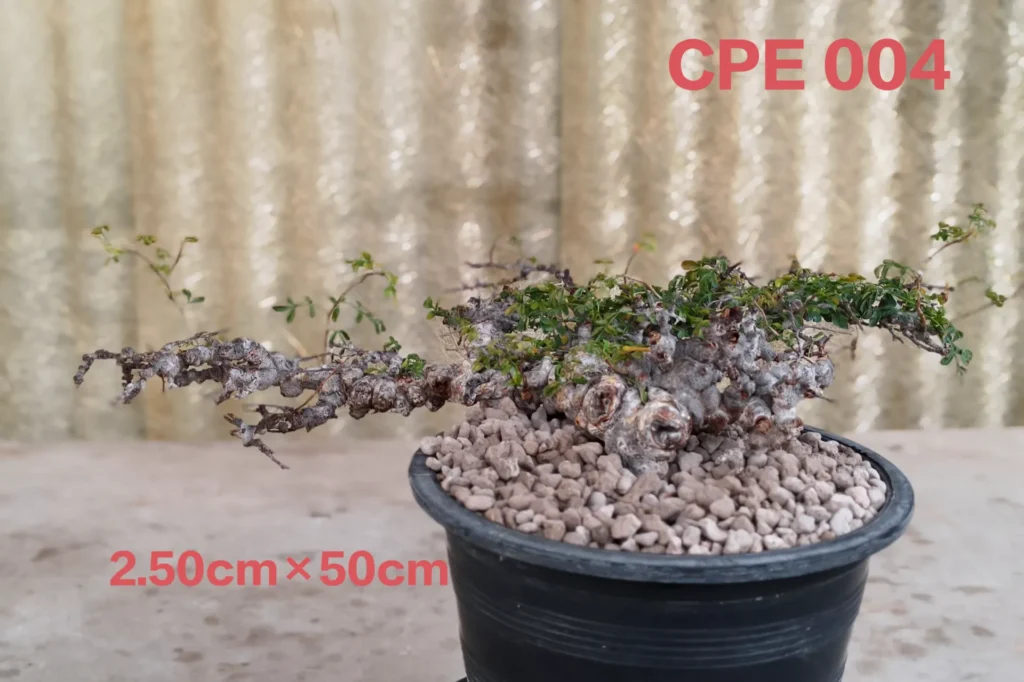
Commiphora sp. Eyl (Somalia): The Gnarled, Ancient Root-Form (Specimen CPE 004)
The Commiphora sp. Eyl from Somalia is a highly coveted species among caudiciform enthusiasts, prized for its extreme rarity and the sculptural beauty of its growth habit. Sourced from the remote and challenging Eyl region of Somalia, established specimens like CPE 004 carry significant provenance and are a testament to the resilience of this unique flora .
Specimen Spotlight: CPE 004 – A Masterpiece of Texture and Age
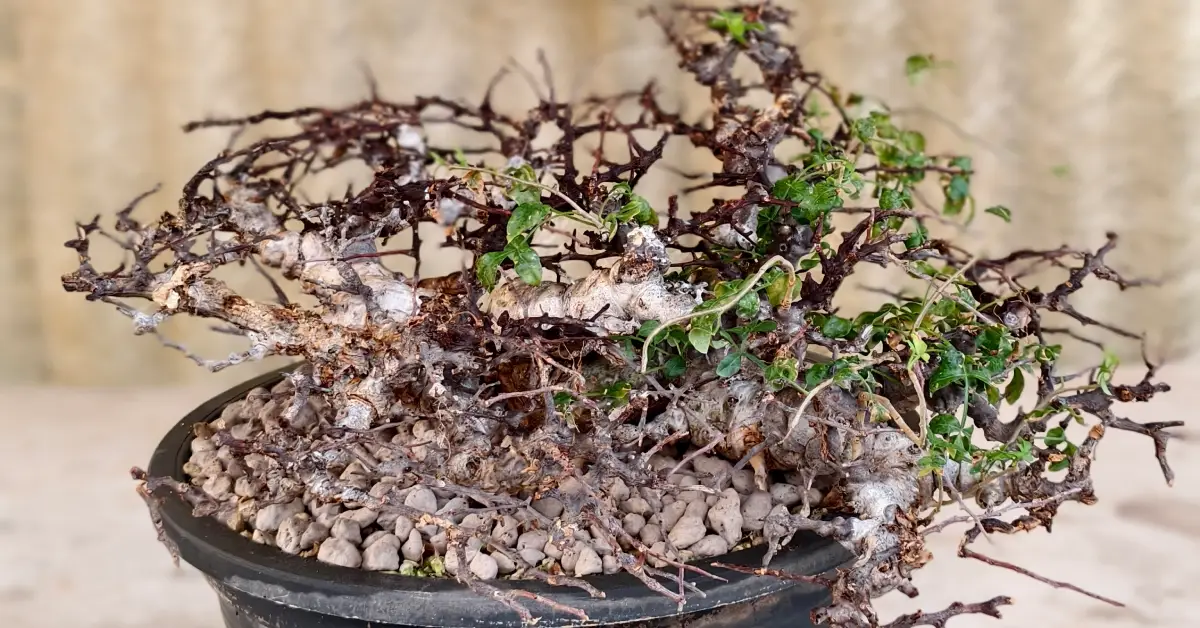
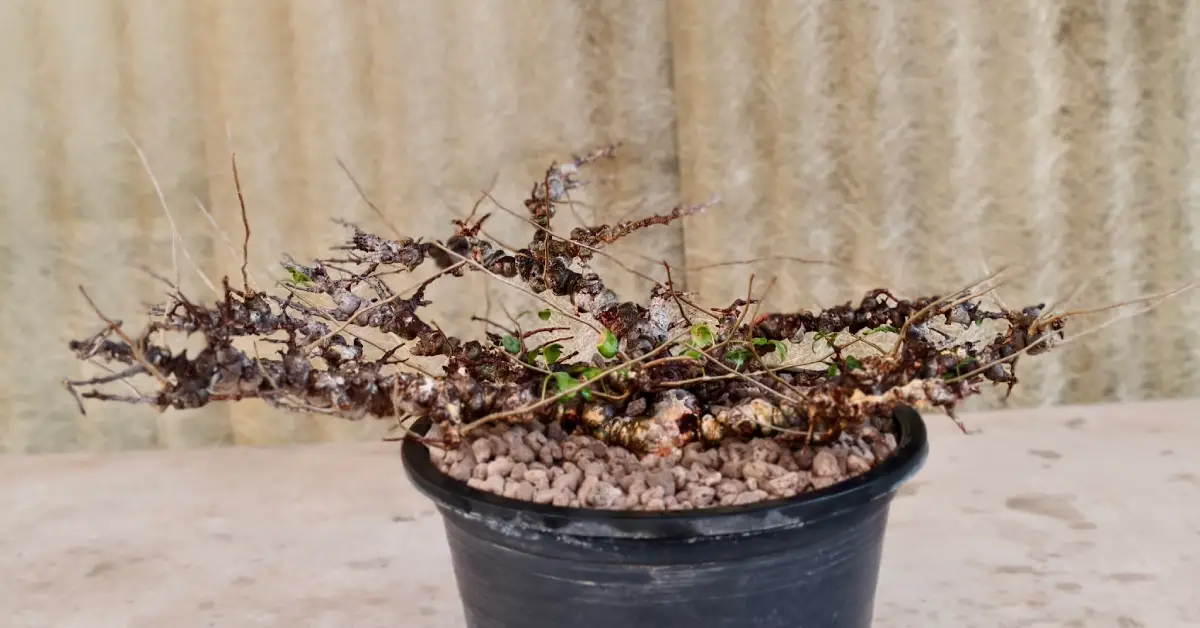
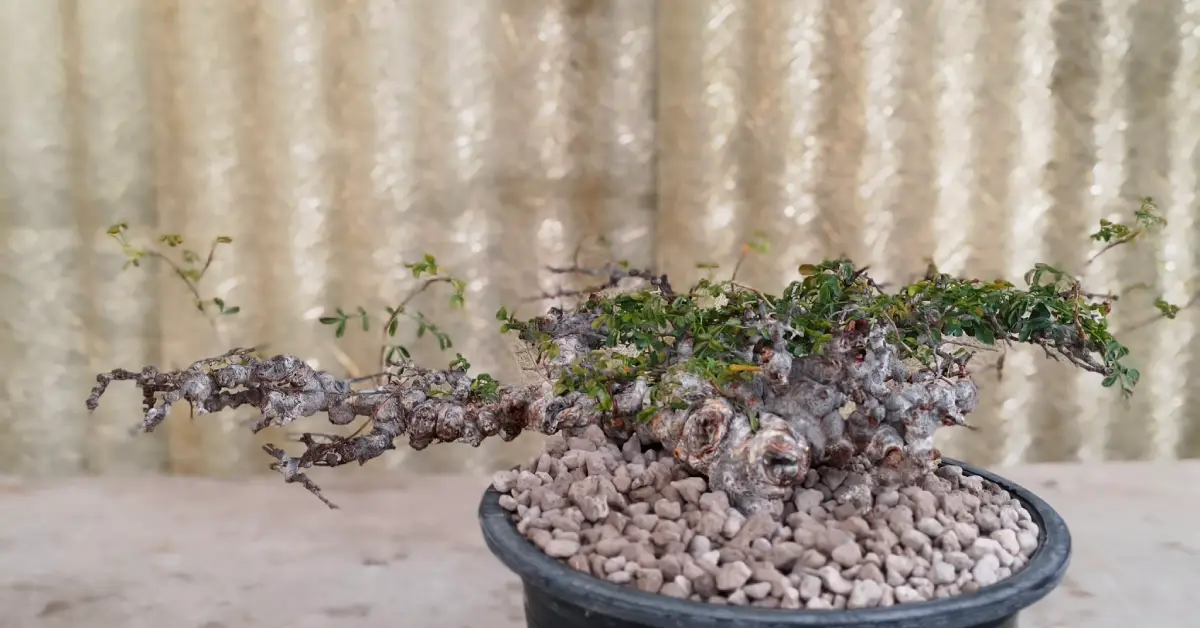
This particular specimen, identified as CPE 004, is a stunning example of a Commiphora that has developed a unique, root-like, gnarled caudex that sprawls horizontally across the soil surface. Its form is reminiscent of a miniature, ancient root system exposed to the elements, making it a highly artistic and unique piece.
Key Characteristics of CPE 004
| Feature | Description | Collector’s Value |
| Growth Habit | Gnarled, Horizontal Root-Form Caudex. The main body is a thick, textured mass of wood with multiple nodules and a low, wide spread. | Exceptional Artistic Value; the unique, exposed root-like form is highly desirable for creating a dramatic, aged bonsai display. |
| Size | Width: 50 cm (approx. 19.7 inches). Caudex Diameter: 2.50 cm. The width is substantial, emphasizing the sprawling, low-profile nature of the plant. | A large, mature specimen that commands attention and showcases the unique texture of the species. |
| Texture/Bark | The caudex and branches are covered in a highly textured, pale, and gnarled bark, with multiple growth points and nodules. | The texture is a clear indicator of age and adds immense character, making it a tactile and visual masterpiece. |
| Foliage | Small clusters of vibrant green leaves emerge from the tips, confirming the plant’s active growth and excellent health. | The healthy foliage provides a beautiful contrast to the pale, rugged wood. |
| Origin | Eyl, Somalia. The specific locality adds to its provenance and rarity, confirming its status as a highly sought-after species. | High Provenance Value; a must-have for collectors who focus on geographical rarity and specific wild-collected forms. |
The Sculptural Form: An Exposed Root System
The defining characteristic of CPE 004 is its gnarled, root-like caudex. Unlike the more branched forms of CPE 001 and CPE 002, this specimen’s main body is a thick, horizontal mass, suggesting it was either grown as an exposed root or developed this unique form over many years of slow, low growth. The 50 cm width allows this unique form to be fully appreciated, making it a true centerpiece.
The pale, textured bark with its numerous nodules and growth rings tells a story of great age and resilience, making CPE 004 a living fossil for the discerning collector.
Rarity and Provenance: The Eyl Factor
Commiphora sp. Eyl is considered a top-tier rarity in the caudiciform world. The Eyl region of Somalia is known for its unique flora, but political instability and remote access make the collection and export of these plants exceptionally difficult and rare . This specimen, CPE 004, represents a rare opportunity to own a piece of this unique botanical heritage, making it highly valuable to serious collectors.
Cultivation and Display: A Centerpiece for the Caudiciform Enthusiast
Like most Commiphora, this specimen is hardy and drought-tolerant.
•Light: Prefers full sun to maintain its compact form and vibrant health.
•Soil: Requires a very well-draining mineral mix.
•Watering: Water sparingly, allowing the soil to dry completely between waterings, especially during dormancy.
•Ideal for: Collectors seeking an ultra-rare, large-scale bonsai-style caudiciform with a unique, gnarled, and exposed root-like form.
Image Description
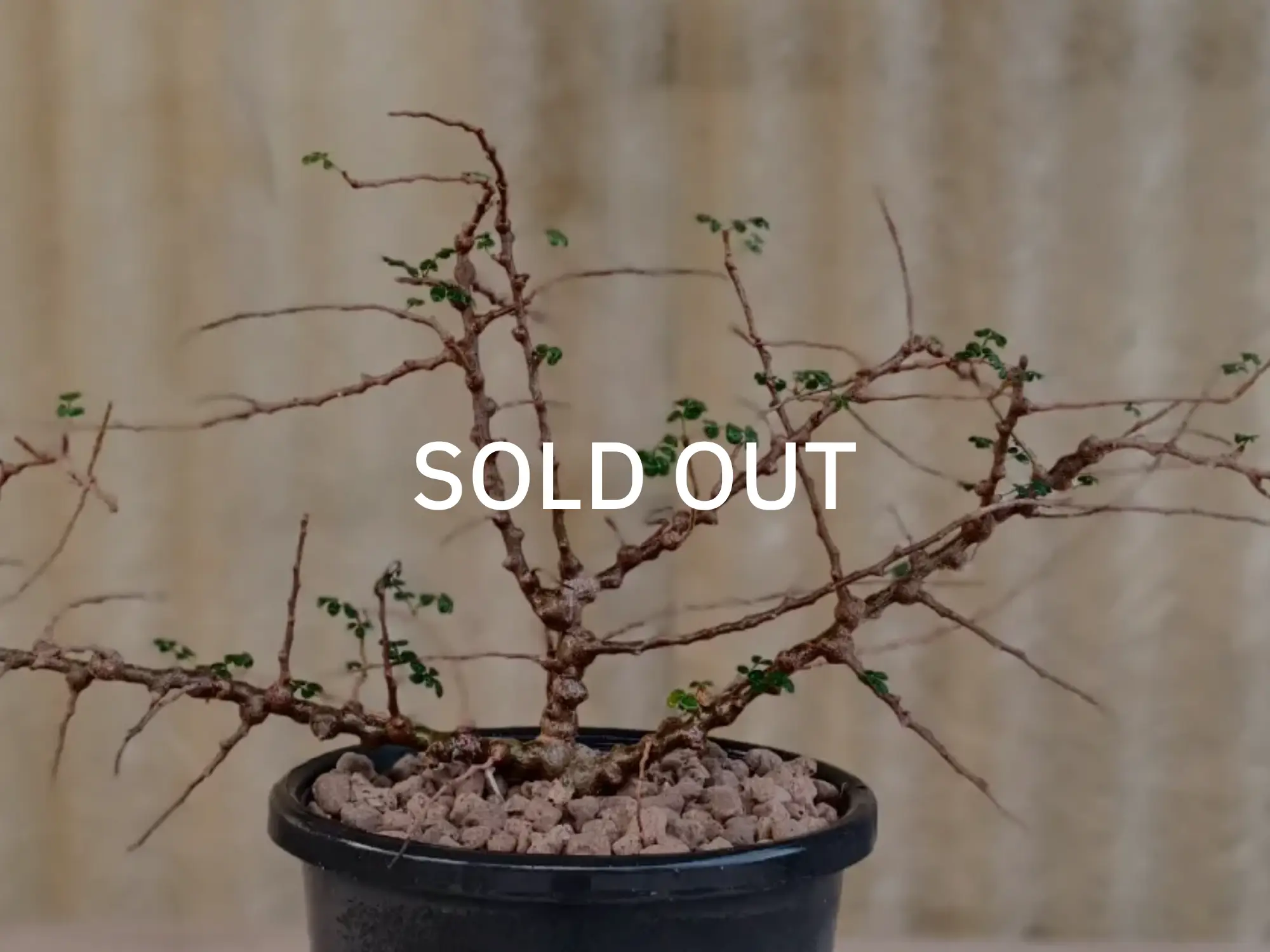
Commiphora sp. Eyl (Somalia) Specimen CPE 004, an ultra-rare caudiciform with a 50 cm wide, gnarled, exposed root-like caudex and pale, textured bark, showcasing a unique, ancient bonsai form.
CPE 004: The Gnarled Root Masterpiece. This ultra-rare Commiphora sp. Eyl from Somalia features a spectacular 50 cm wide, horizontal, root-form caudex with highly textured, pale bark, making it a living fossil and a prized addition to any top-tier collection.
Talk about : Price, How to Buy?, Where to Buy?