Introduction
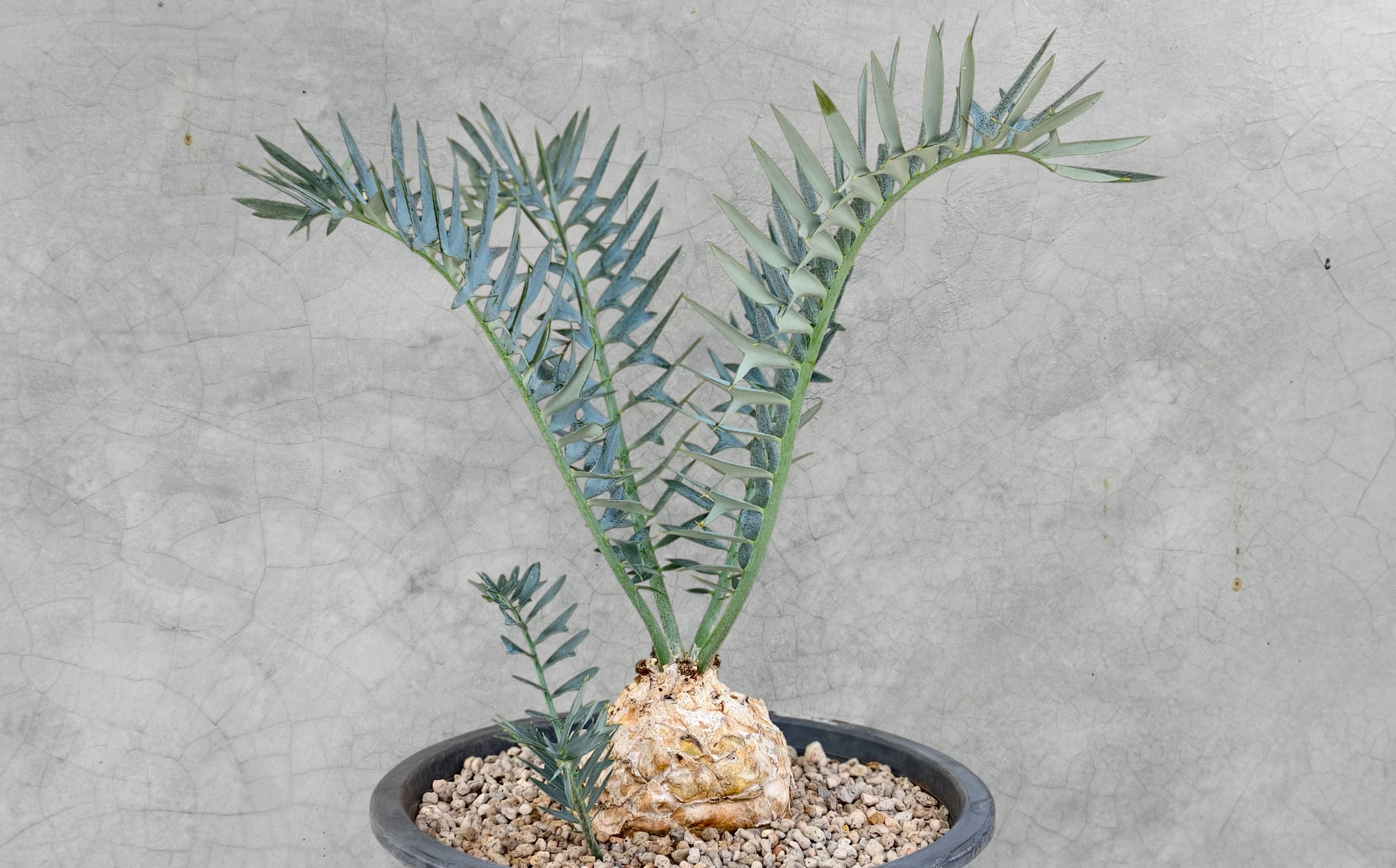
In the world of rare and ancient plants, the cycad caudex is arguably the most defining and valuable feature. The caudex, often mistakenly referred to as the trunk, is the swollen, woody base of the cycad plant, serving as its primary storage organ for water and nutrients. It is the physical embodiment of the plant’s age, resilience, and history. For collectors and investors, the size, shape, texture, and health of the caudex are the primary determinants of a cycad’s market value. This article explores the unique characteristics of the cycad caudex, its appeal in the market, and the features that make it a highly prized botanical asset.


Unique Characteristics of the Cycad Caudex
The caudex is a marvel of botanical engineering, perfectly adapted to the harsh, often arid environments where many cycads originate.
•Storage Function: The primary role of the caudex is to store starch, water, and nutrients, allowing the plant to survive long periods of drought or fire. This resilience is a key part of the cycad’s ancient survival strategy.
•Slow Growth: The caudex grows incredibly slowly, often expanding by only a few centimeters over many years. This slow, deliberate growth is directly correlated with the plant’s longevity and high value. A large caudex signifies decades, or even centuries, of patient growth.
•Leaf Scar Patterns: As old leaves die and fall off, they leave behind distinctive, often geometric patterns on the surface of the caudex. These leaf scars create a unique, textured “skin” that tells the story of the plant’s life and adds to its aesthetic appeal.
•Shape and Form: Caudices come in a variety of shapes, from subterranean, bulb-like forms (often seen in Zamia and some Encephalartos) to tall, columnar trunks (common in Cycas and mature Encephalartos). The most prized forms are often those with a massive, symmetrical, and well-proportioned base.
Market Appeal and Investment Value
The caudex is the primary driver of market value for cycads, particularly in the high-end collector market.
•Age as a Commodity: Unlike most plants, a cycad’s value is directly proportional to its age, which is best estimated by the size and development of its caudex. A massive, centuries-old caudex is a rare, non-replicable asset.
•Aesthetic Sculpture: The caudex acts as a natural sculpture. Collectors pay a premium for caudices with unique, gnarled, or highly textured surfaces, or those with perfect symmetry and minimal scarring from damage.
•Resilience and Portability: The caudex’s ability to store resources makes the plant incredibly resilient and relatively easy to transplant, even after decades of growth, which is a significant advantage for high-value trading.
•The “Iceberg” Factor: In many species, the most valuable part of the caudex remains underground. The exposed portion is often just the tip of the iceberg, hinting at the massive, unseen structure below, which adds an element of mystery and depth to its value.
Value-Adding Features of a Caudex
When assessing the value of a cycad, collectors look for specific features in the caudex:
(คุณสมบัติที่เพิ่มมูลค่าของลำต้นปรง: เมื่อประเมินมูลค่าของปรง นักสะสมจะมองหาคุณสมบัติเฉพาะในลำต้นปรง:)
| Feature | Description | Value Impact |
| Size and Girth | The diameter and height of the caudex. Larger size indicates greater age and rarity. | High: Directly correlates with age and investment potential. |
| Symmetry | A perfectly round or evenly shaped caudex, often achieved through careful cultivation. | High: Indicates superior care and aesthetic perfection. |
| Texture and Scars | Unique, well-defined leaf scar patterns or a heavily textured, gnarled surface. | Medium to High: Adds character and visual interest. |
| Health and Firmness | A hard, firm caudex free of soft spots, rot, or insect damage. | Critical: Essential for long-term survival and value retention. |
| Multiple Heads | The presence of multiple growing points (heads) emerging from a single caudex. | High: Creates a more dramatic, mature, and unique specimen. |
| “Show Grade” Exposure | The caudex has been carefully raised above the soil line to maximize its visual impact. | Medium: Enhances aesthetic appeal for display purposes. |


Conclusion
The cycad caudex is far more than just a stem; it is the living archive of the plant’s existence. Its slow, deliberate growth translates directly into rarity and high market value, making it the focal point for collectors and investors. By appreciating the unique characteristics—from its storage function to its sculptural form and leaf scar patterns—one can truly understand why a well-developed caudex is the heart and soul of a valuable cycad specimen.