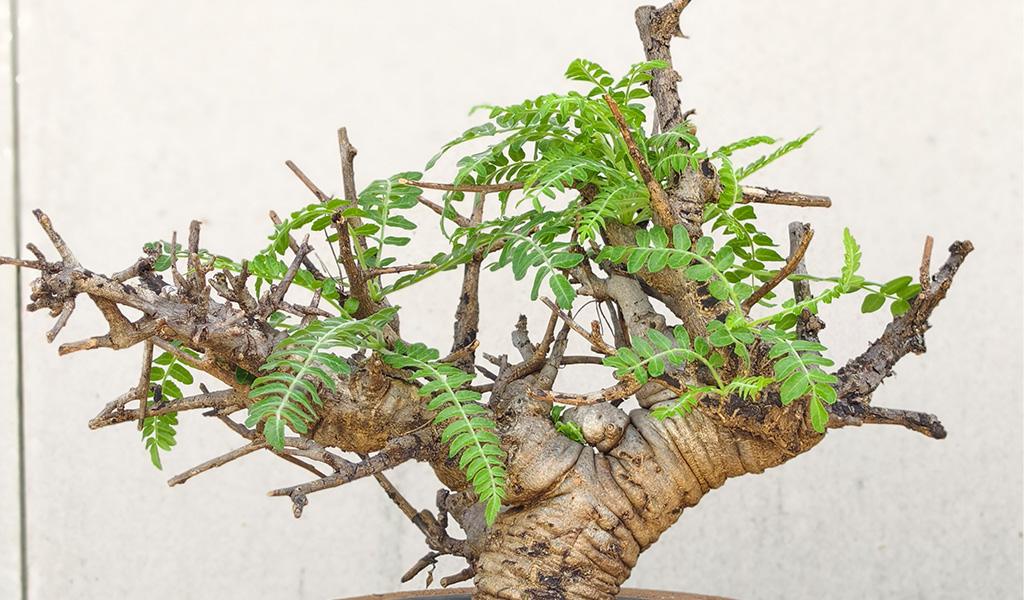
Boswellia neglecta Care Guide: Essential Tips for Growing the Black Frankincense Tree
Boswellia neglecta is a hardy and uniquely captivating species, deeply adapted to the dry landscapes of East Africa. Although resilient, it thrives best when cared for in a way that mimics its natural environment.
This guide provides everything you need to ensure your Black Frankincense grows healthy, strong, and beautifully sculpted.

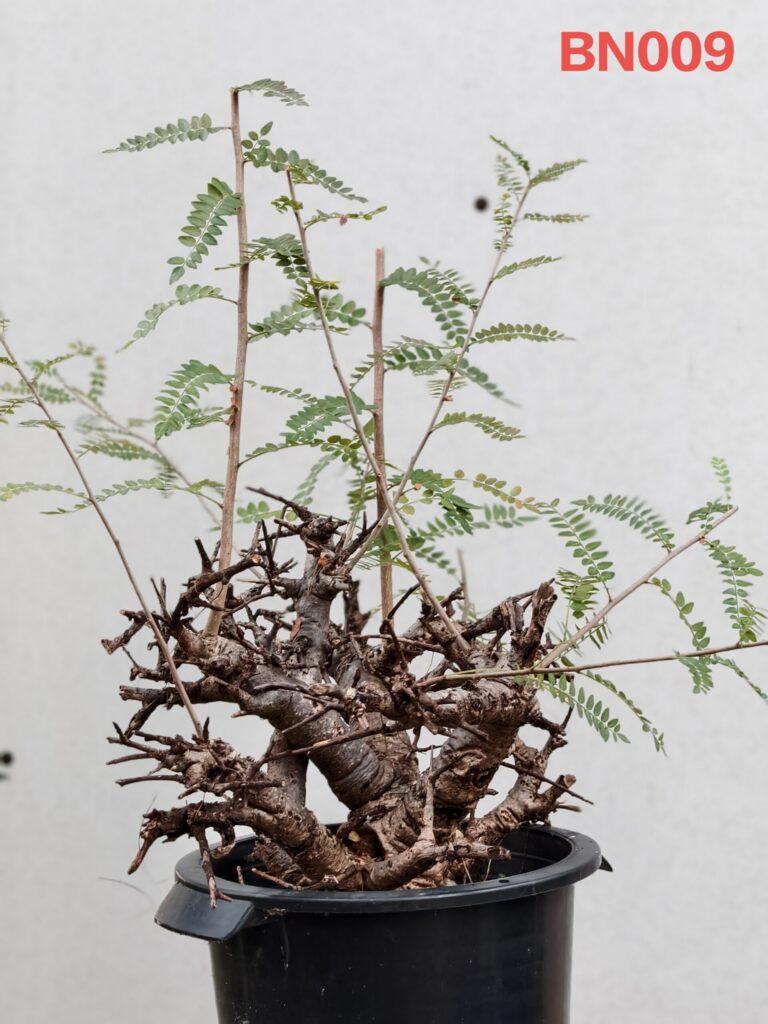

1. Sunlight: The Key to Strong, Healthy Growth
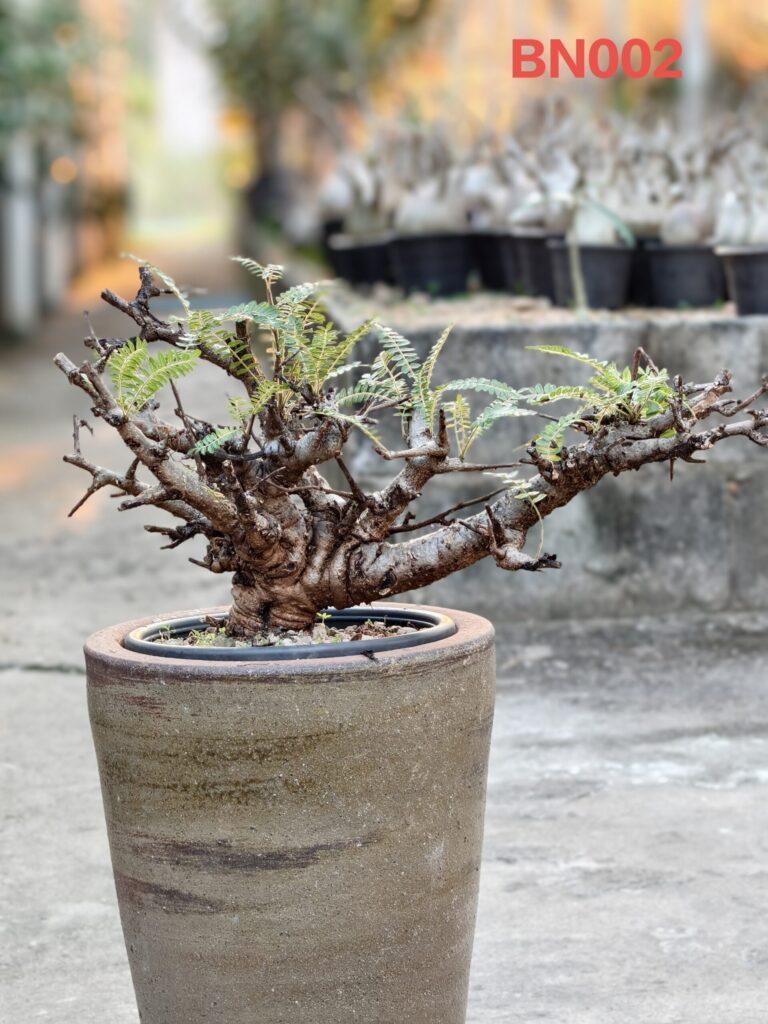
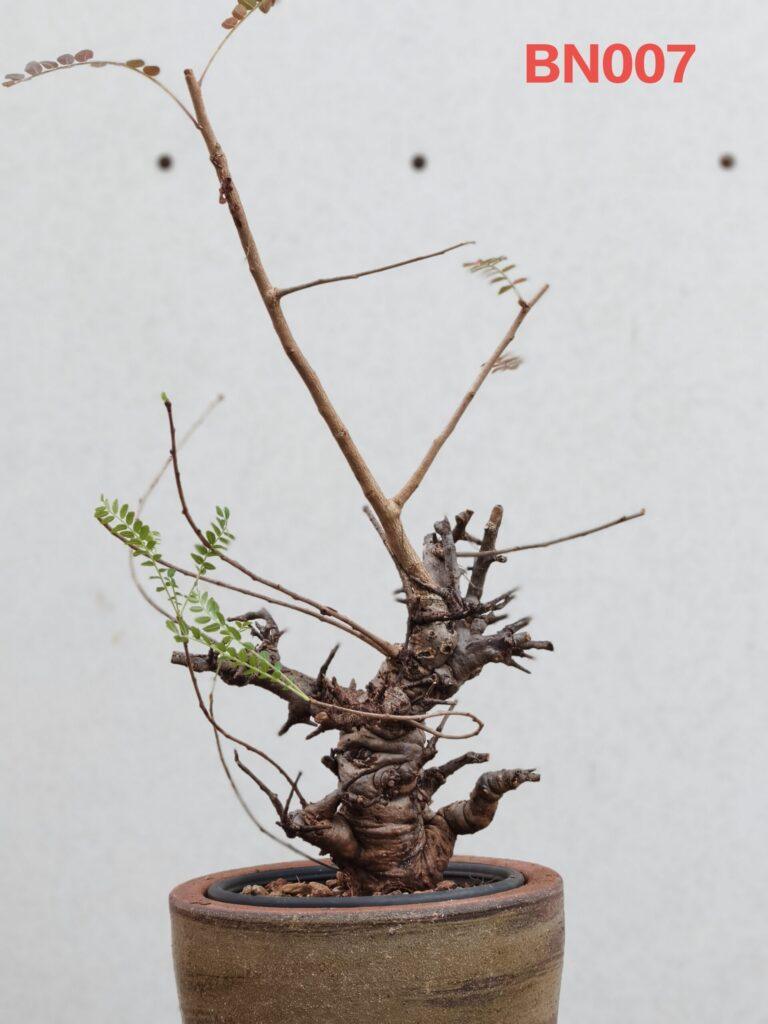
Boswellia neglecta requires intense, direct sunlight to develop proper structure and maintain vigorous health.
Insufficient light can lead to elongated, weak growth.
Recommendations
- Place the plant in full sun for best results.
- Young plants can tolerate light shade temporarily, but should be gradually acclimated to stronger sunlight as they mature.
2. Soil & Drainage: The Most Critical Factor
The biggest challenge in growing Boswellia species is root rot, caused by excess moisture trapped in the soil. Good drainage is absolutely essential.
Ideal Soil Mix
Use a fast-drying, highly porous, mostly inorganic medium. Examples include:
- Pumice
- Coarse gravel
- Crushed granite
- Coarse sand
These materials prevent water retention and replicate the plant’s native rocky habitat.
Pot Requirements
Choose a pot with large, unobstructed drainage holes to ensure rapid water flow-through.
3. Watering: Minimal but Mindful
Once established, Boswellia neglecta is highly drought tolerant.
Overwatering is far more dangerous than underwatering.
Growing Season (Summer)
- Water only when the soil is completely dry, all the way to the bottom of the pot.
- Allow long dry periods between waterings.
Dormant Season (Winter)
- When temperatures drop or the plant sheds leaves for dormancy, stop watering entirely.
- Resume watering only when the growing season returns.
4. Temperature & Humidity Requirements
This species thrives in warm, dry environments.
Ideal Conditions
- Temperature range: 20°C – 35°C
- Cold tolerance: Does not tolerate frost
- Avoid temperatures below 10°C
If you live in a colder region, move the plant indoors or into a greenhouse during winter.
Humidity
- Prefers moderate humidity (40–70%)
- Good air circulation is more important than humidity levels
5. Fertilization: Less Is More
Boswellia neglecta requires very little feeding.
How to Fertilize
- Apply fertilizer only during the growing season when the tree is actively producing leaves.
- Use a balanced fertilizer, diluted to half strength, or use a small amount of slow-release fertilizer.
- Avoid overfeeding, which can stress the plant.
6. Pests & Disease Management
Common pests that target B. neglecta include:
- Mealybugs
- Spider mites
Prevention
- Inspect crevices, stems, and undersides of leaves regularly.
Main Disease Concern
- Root rot, which is preventable by:
- Using a fast-draining soil mix
- Watering sparingly
- Ensuring proper airflow around the plant
Quick Care Summary for Boswellia neglecta
| Care Factor | Recommendation |
|---|---|
| Light | Full sun |
| Soil | Excellent drainage; high inorganic content |
| Watering | Water only when soil is completely dry; stop in winter dormancy |
| Fertilizer | Light, diluted feeding during growing season |
| Temperature | Warm climate; protect from cold and frost |
Final Thoughts
With the right balance of sunlight, airflow, and careful watering, Boswellia neglecta becomes an exceptionally rewarding species to grow—beautiful, resilient, and steeped in botanical history.
Its sculptural form and unique Black Frankincense resin make it a standout addition to any rare-plant collection.
Talk about : Price, How to Buy?, Where to Buy?